
Hospital discharge is not the finish line of healing. It is the most fragile phase of recovery. Many patients in New Jersey return home with unresolved symptoms, medication changes, and limited physical strength. Without structured medical support, small post-discharge issues can escalate into serious complications. Home health care plays a critical role in stabilizing recovery, reducing hospital readmissions, and helping patients heal safely at home.
Recovery After Hospital Discharge improves significantly when professional care continues beyond hospital walls.
The Post-Discharge Period is Often Medically Unstable
The first few weeks after hospital discharge carry a high risk of setbacks. Patients may experience pain, fatigue, confusion, or mobility limitations while simultaneously managing new treatment plans. Family members are often unprepared to identify warning signs or respond appropriately. Home health care provides continuous oversight during this unstable period, ensuring recovery progresses instead of regresses.
Transitional Care is Closing the Gap Between Hospital and Home
Transitional care ensures continuity when hospital supervision ends. Home health professionals help patients understand discharge instructions, follow care plans correctly, and maintain communication with physicians. This prevents missteps that commonly occur after discharge, such as missed follow-ups or misunderstood treatment changes. In New Jersey, transitional care has become essential for safe Recovery After Hospital Discharge because it replaces confusion with clarity and structure.
Skilled Nursing is Stabilizing Medical Conditions at Home
Skilled nursing services bring hospital-level clinical expertise into the home. Licensed nurses monitor vital signs, manage complex treatments, and detect early warning signs before conditions worsen. For patients recovering from surgery, infections, cardiac events, or chronic illness flare-ups, skilled nursing ensures medical stability without requiring rehospitalization. This clinical oversight is a cornerstone of successful Recovery After Hospital Discharge.
Medication Management is Preventing Dangerous Errors
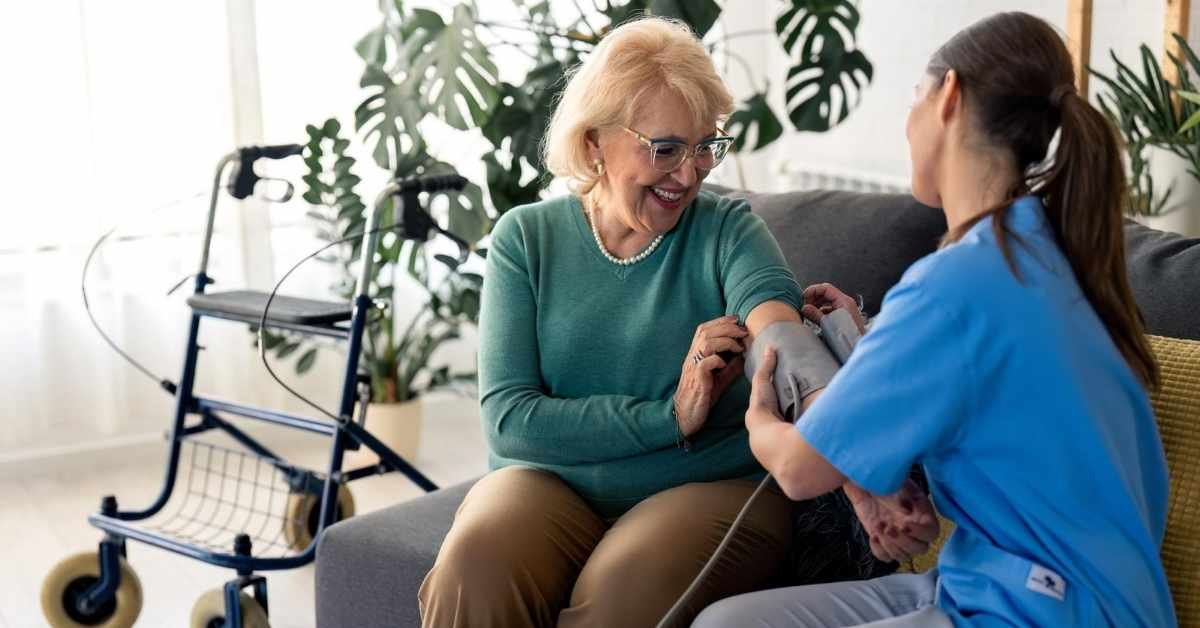
Medication changes are one of the leading causes of post-discharge complications. Patients may be prescribed new drugs, adjusted dosages, or discontinued medications, often without fully understanding the changes. Home health professionals review medications carefully, ensure proper timing and dosage, and monitor side effects. This hands-on guidance reduces errors and protects patients during a critical recovery window.
Early Monitoring is Reducing Hospital Readmissions
Many hospital readmissions occur because early symptoms are missed or ignored. Home health care professionals monitor recovery progress closely and respond to changes before emergencies develop. Subtle signs such as swelling, shortness of breath, infection symptoms, or declining mobility are addressed early. This proactive approach dramatically lowers readmission risk and supports safer Recovery After Hospital Discharge.
Mobility Support is Restoring Strength Without Risk
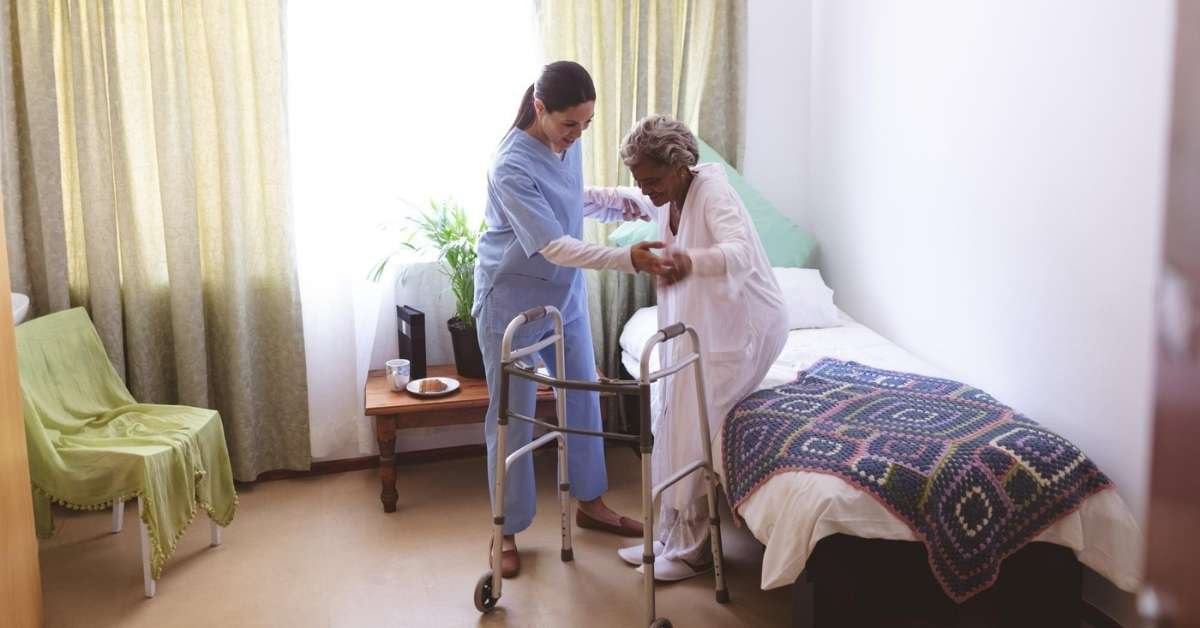
After hospitalization, weakness and balance problems are common and often underestimated. Patients may attempt activities that exceed their current ability or avoid movement altogether out of fear. Home health care supports gradual, safe mobility by guiding movement, encouraging appropriate activity, and reducing fall risk at home. This balanced approach helps patients rebuild strength while protecting healing bodies.
Home-Based Care is Reducing Stress for Patients and Families
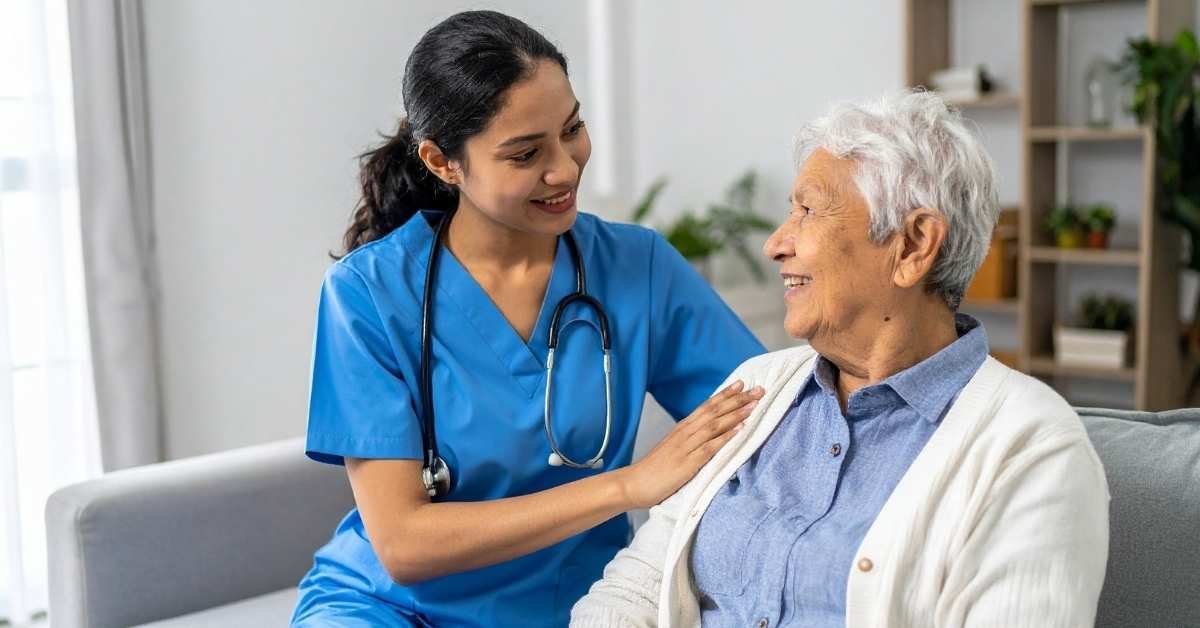
Recovery is not only physical, it is emotional. Being discharged without support often creates anxiety for patients and caregivers alike. Home health care reduces stress by providing reassurance, education, and professional guidance. Families gain confidence knowing a trained professional is overseeing recovery, while patients feel safer healing in a familiar environment.
Ongoing Support is Improving Long-Term Recovery Outcomes
Successful recovery does not stop when symptoms fade. Home health care reinforces healthy routines, adherence to treatment plans, and follow-up care compliance. Patients receiving continued home-based support often regain independence faster and experience fewer long-term complications. This sustained approach leads to stronger, more complete Recovery After Hospital Discharge.
Home Health Care is Essential for Safe Recovery in New Jersey
In New Jersey’s healthcare landscape, home health care has become a vital extension of hospital treatment. By combining transitional care, skilled nursing, and personalized home support, it transforms a vulnerable post-discharge period into a structured healing process. For patients recovering at home, professional care is not a luxury. It is a necessity.