

Recovering from a stroke or major surgery is not only about healing wounds or regaining movement. It is about rebuilding daily life safely, confidently, and consistently. In-Home Care allows patients in New Jersey to recover where they feel most comfortable their own home while still receiving structured medical and non-medical support. This model reduces hospital readmissions, lowers stress, and accelerates functional recovery when done correctly.
Why Is In-Home Care Critical After Stroke or Surgery?
After discharge, many patients face a dangerous gap between hospital care and full independence. Medications change, mobility is limited, and complications can arise quickly. In-Home Care bridges this gap by providing daily monitoring, hands-on assistance, and early detection of problems. Instead of reacting to emergencies, care becomes proactive and preventive.
Patients recovering at home often sleep better, eat more regularly, and remain emotionally stable all of which directly affect physical healing.
How Does In-Home Care Improve Stroke Recovery Outcomes?
Stroke recovery is complex and highly individualized. In-Home Care adapts to the patient’s specific deficits, whether they involve speech, balance, memory, or muscle weakness. Caregivers reinforce rehabilitation exercises daily, ensuring progress continues beyond scheduled therapy visits.
Consistent routines at home also help retrain the brain. Simple activities such as walking safely to the bathroom, practicing hand coordination during meals, or following structured reminders contribute to neurological recovery far more effectively than isolated therapy sessions alone.
How Can Rehabilitation Be Delivered Through In-Home Care?
Rehabilitation at home is not informal or unstructured. Under In-Home Care, recovery plans are designed around physical, occupational, and sometimes speech therapy goals. Care teams help patients practice safe transfers, walking techniques, strength exercises, and daily living skills exactly where they need them.
This environment-based rehabilitation reduces fall risks and ensures patients relearn movements in real-life settings, not artificial clinical spaces. Progress becomes practical, measurable, and immediately useful.
Why Is a Skilled Nurse Essential in In-Home Care Recovery?
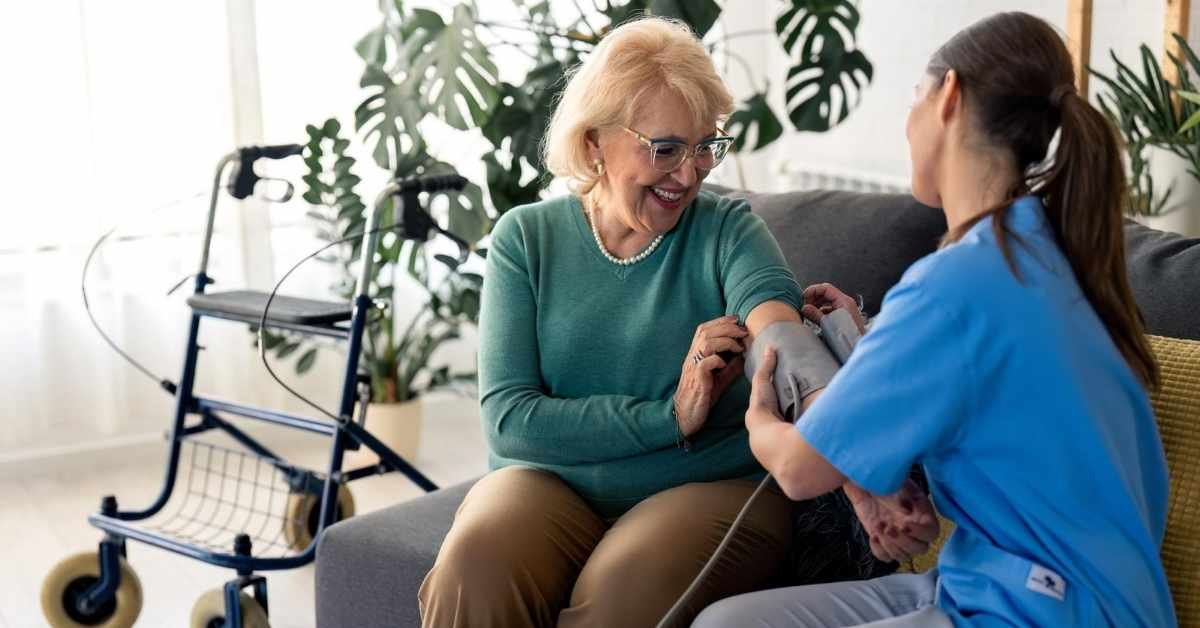
A skilled nurse plays a decisive role in post-stroke and post-surgery recovery. Through In-Home Care, skilled nurses monitor vital signs, manage wounds, administer medications, and assess warning signs such as infection, swelling, or sudden neurological changes.
Their clinical oversight ensures that small issues are addressed early before they escalate into hospital readmissions. Skilled nurses also educate patients and families, empowering them to understand medications, warning symptoms, and recovery milestones.
How Does In-Home Care Reduce Complications After Surgery?
Post-surgical patients are vulnerable to infections, blood clots, medication errors, and mobility-related injuries. In-Home Care minimizes these risks by enforcing hygiene protocols, supervising movement, and ensuring medications are taken correctly.
Caregivers assist with pain management routines, help patients follow surgeon instructions, and observe recovery patterns daily. This continuous observation is often the difference between smooth healing and costly setbacks.
How Can Families Be Supported Through In-Home Care?
Recovery does not only affect the patient. Families often struggle with uncertainty, physical demands, and emotional stress. In-Home Care provides structured support, relieving families from constant caregiving pressure while keeping them informed and involved.
Care teams communicate progress clearly, teach safe assistance techniques, and help families plan realistic recovery timelines. This shared approach prevents burnout and builds confidence on all sides.
What Daily Services Are Included in In-Home Care Recovery Plans?
Effective In-Home Care covers both medical and daily-living needs. Support may include mobility assistance, personal hygiene help, meal preparation aligned with dietary needs, medication reminders, and light household support.
These services ensure patients conserve energy for healing rather than exhausting themselves with daily tasks. Recovery becomes focused, not fragmented.
How Can New Jersey Residents Start In-Home Care for Recovery?
Accessing In-Home Care in New Jersey typically begins after hospital discharge or physician referral. Care plans are customized based on diagnosis, mobility level, and medical needs. Many services can align with insurance coverage, including Medicaid-related programs, depending on eligibility.
Early enrollment is critical. The first weeks after a stroke or surgery are when recovery gains or setbacks are most likely to occur.
Why Should Recovery Not Be Delayed Without In-Home Care?
Waiting too long to arrange In-Home Care often leads to falls, medication errors, emotional decline, and unnecessary hospital returns. Recovery is time-sensitive. Daily support, clinical oversight, and structured rehabilitation create momentum that cannot be regained easily once lost.
Healing at home works best when care is intentional, professional, and continuous.
In-Home Care is not a luxury, it is a recovery strategy. For stroke survivors and post-surgery patients in New Jersey, it delivers rehabilitation, skilled nursing, and daily support in the environment that promotes the fastest and safest healing. When care meets patients where they live, recovery becomes sustainable, dignified, and effective.