
New Jersey families often look for care solutions that keep aging loved ones safe, comfortable, and emotionally supported. Understanding the benefits of home health care helps you choose a path that protects both your loved one’s well-being and your own peace of mind. The points below focus on real-life situations NJ families actually face.
1. Reduced Hospital Readmissions
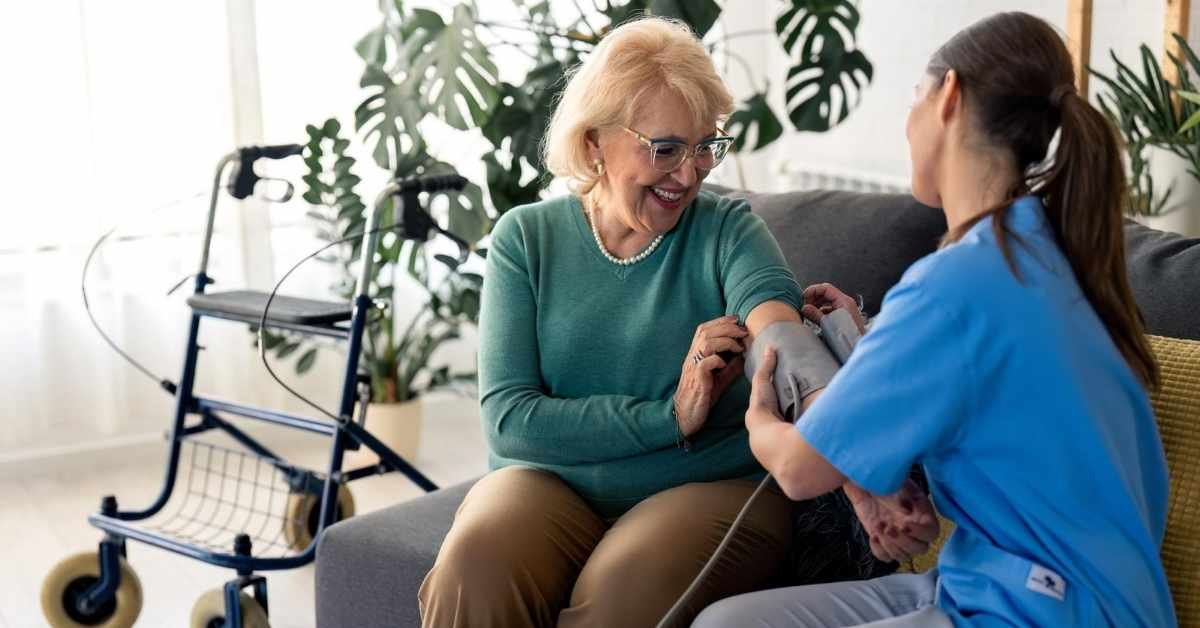
One of the biggest benefits of home health care is preventing avoidable hospital returns. Skilled nurses can monitor vitals, check wound sites, track medication side effects, and immediately flag issues before they become emergencies. Families avoid crisis-driven stress and unnecessary ER visits.
2. Safe Support with Daily Activities
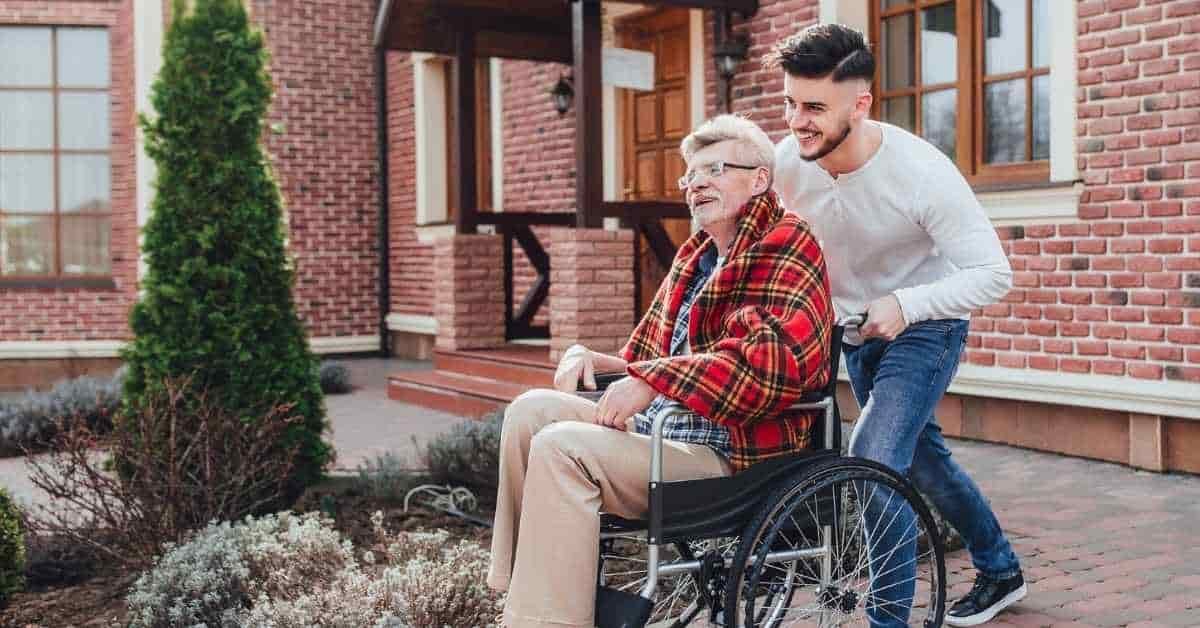
New Jersey seniors often struggle with bathing, dressing, toileting, or mobility. Home health aides can assist with these tasks safely, reducing risks of falls- especially important in homes with stairs or tiled bathrooms common in NJ housing.
3. Accurate Medication Management
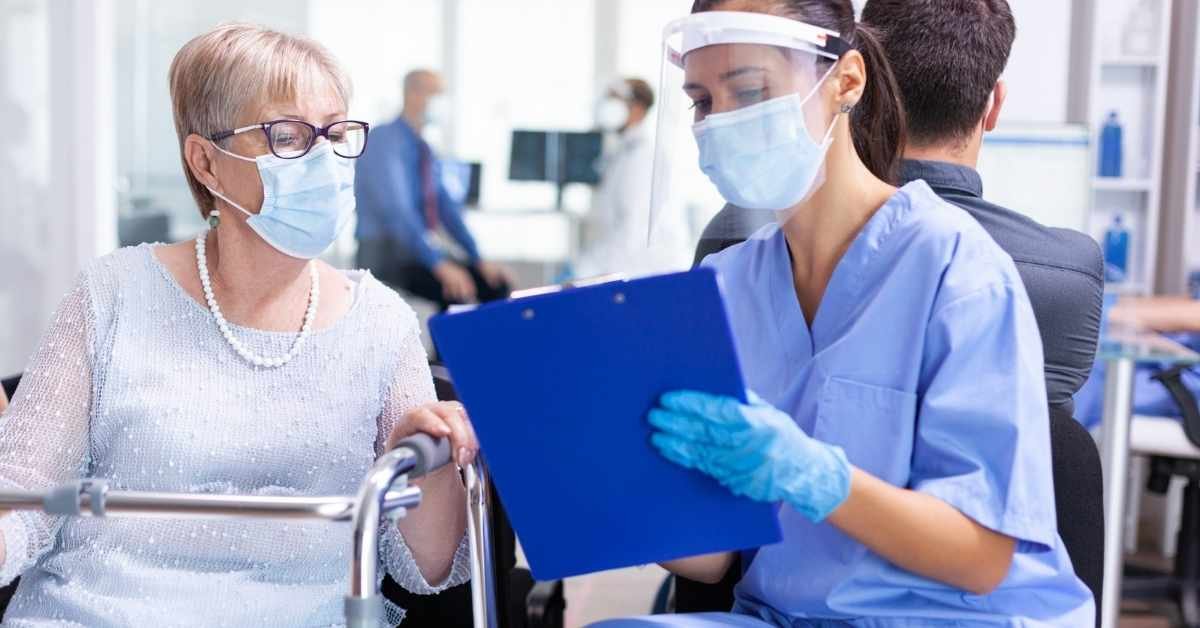
Missed doses or double-dosing is a major threat to seniors. A trained caregiver can organize pillboxes, track prescriptions, report changes, and coordinate with doctors, helping your loved one stay on the correct schedule.
4. Skilled Nursing for Medical Needs
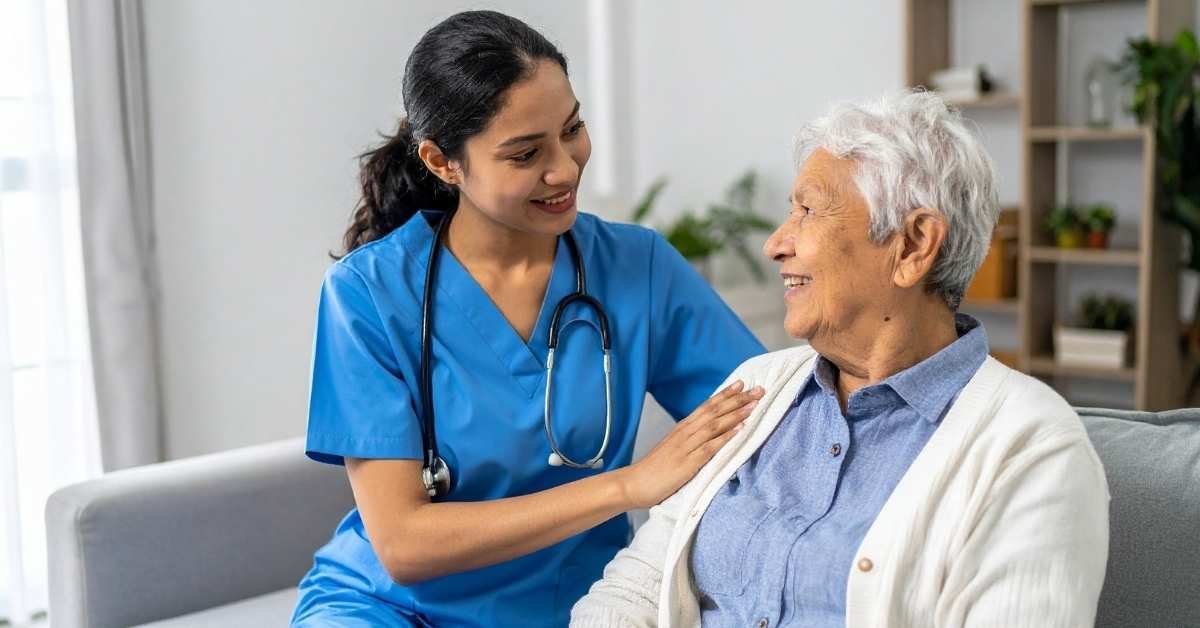
Families might feel overwhelmed caring for someone with diabetes, COPD, stroke aftercare, or dementia. Skilled nurses can manage injections, IVs, wound care, catheter care, and chronic-disease monitoring relieving families from medical tasks they’re not trained to perform.
5. Improved Emotional Stability
Remaining at home keeps seniors connected to familiar routines, personal memories, and neighborhood surroundings. This stability can dramatically improve mood, reduce anxiety, and slow cognitive decline.
6. Better Family Balance and Relief
Instead of constantly juggling work, caregiving, and household responsibilities, families gain breathing room. Home care distributes responsibilities so family members don’t burn out or feel guilty for not being available 24/7.
7. Flexible and Personalized Care Plans
Home health care is not “one-size-fits-all.” Plans can adjust to sleep patterns, cultural preferences, food habits, doctor instructions, and family schedules a flexibility most facilities cannot provide.
8. Transportation Assistance for Appointments
Many NJ seniors no longer drive. Home caregivers can help them attend doctor visits, therapy sessions, and community activities, preventing isolation and missed appointments.
9. Safer Home Environment with Light Housekeeping
Clutter, spills, and poor sanitation often create fall risks or health hazards. Caregivers can keep pathways clear, change linens, wash dishes, and maintain basic cleanliness small but crucial tasks for safety at home.
10. Meaningful Companionship for Seniors
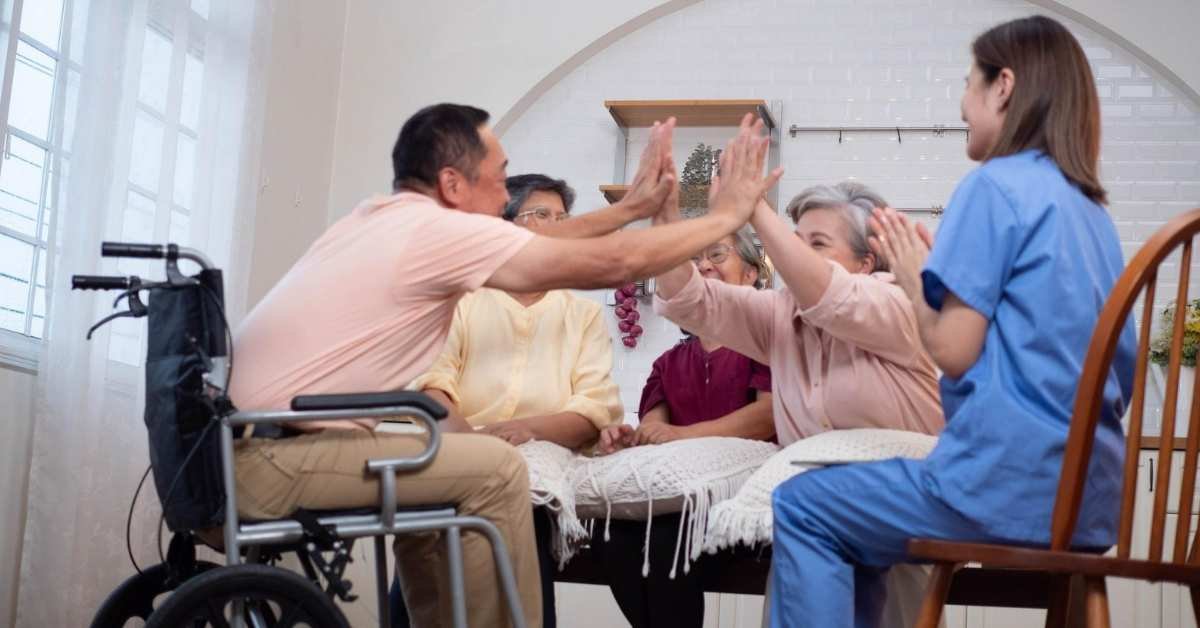
Loneliness is one of the biggest threats to senior health. Caregivers can talk, read, play cognitive games, accompany clients outdoors, and create meaningful daily interaction improving mental and emotional health.
11. 24/7 Monitoring and Emergency Response Availability
24/7 monitoring and emergency response give families constant protection against sudden health changes. Caregivers and skilled nurses can track vital signs, observe behavior shifts, and react quickly when something feels off. This round-the-clock oversight reduces the risk of unnoticed medical issues and ensures your loved one receives immediate help when every second matters.
12. Respite Care for Caregiver Burnout Prevention
Even the most dedicated family caregiver needs breaks. Respite care allows families to rest, work, or handle personal tasks without guilt while knowing their loved one is in safe hands.
Understanding the benefits of home health care helps New Jersey families make informed decisions. Home care keeps loved ones safer, healthier, and emotionally fulfilled while giving families the support and stability they need to maintain balance.