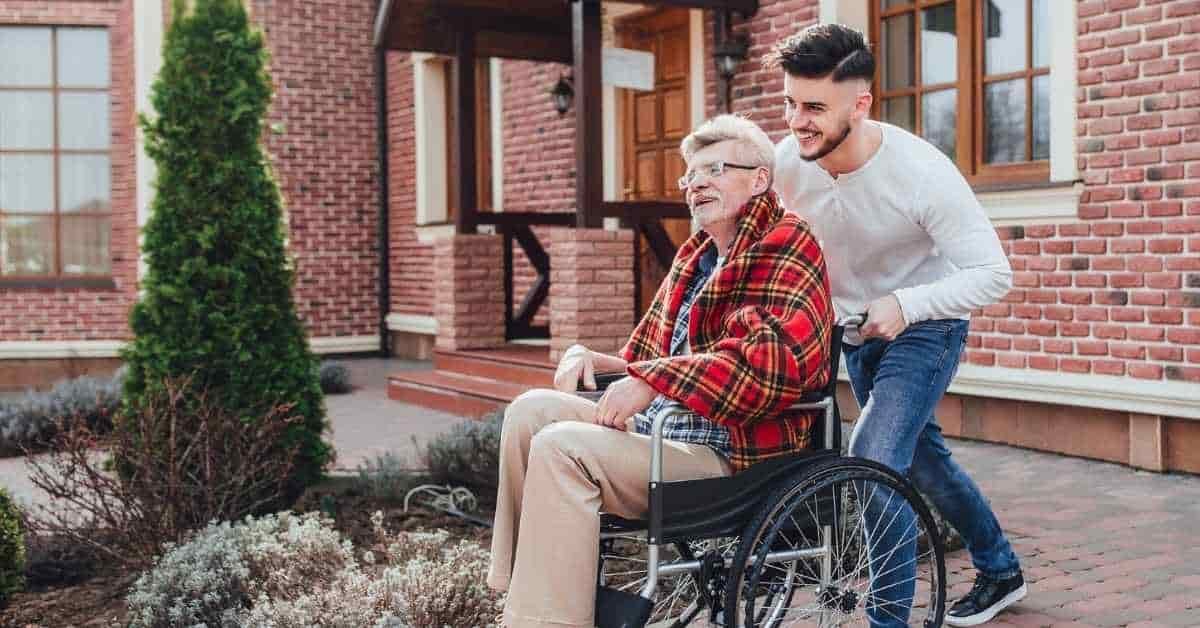

Hospital discharge does not mean recovery is complete. In fact, the period right after returning home is when many complications begin. Patients are adjusting to new medications, new physical limits, and new routines. Families are often unsure what is normal and what is dangerous. Because of this transition gap, many patients return to the hospital within 30 days of discharge.
This is where in-home skilled nursing becomes critical. It brings licensed clinical care into the home at the exact time patients are most vulnerable.
What is In-Home Skilled Nursing and When is It Ordered?
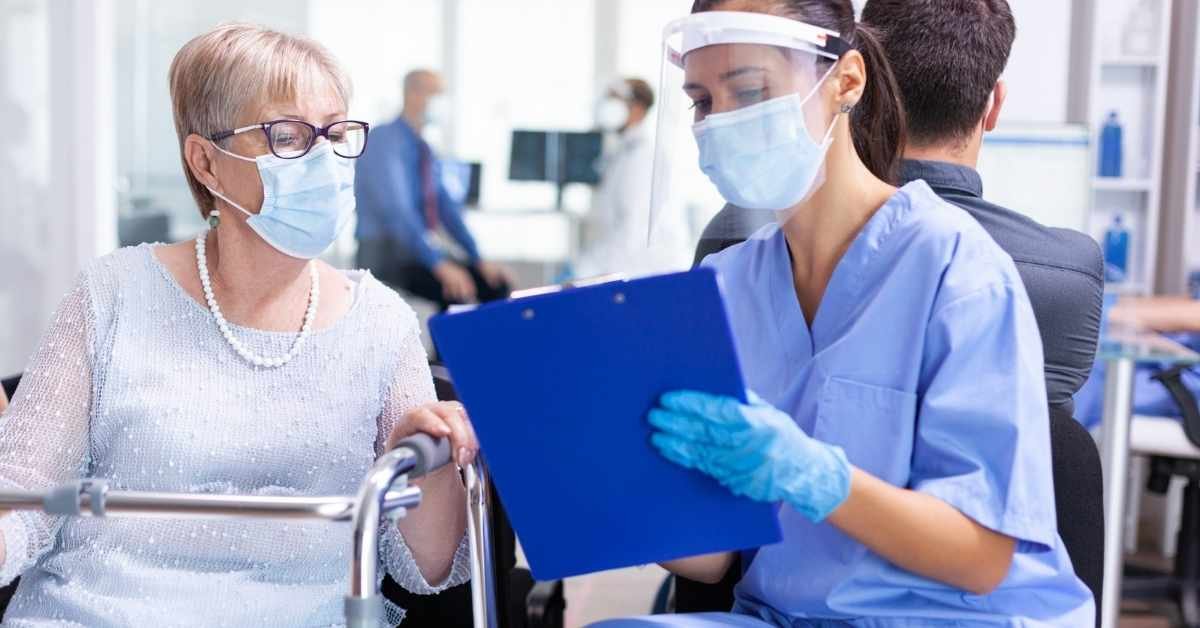
In-home skilled nursing refers to medical care delivered at home by licensed nurses under a physician’s order. It is designed for patients who still need clinical monitoring after leaving the hospital but do not require inpatient care.
This level of care is commonly arranged after surgeries, cardiac events, respiratory illnesses, infections, or worsening chronic conditions. Services are typically intermittent and focused on recovery, stabilization, and complication prevention rather than long-term custodial support.
Why do Hospital Readmissions Happen So Frequently After Discharge?
Readmissions rarely happen because of one dramatic failure. They usually result from small, compounding issues that go unnoticed.
Patients may misunderstand discharge instructions. Medication regimens often change suddenly, creating confusion. Wounds may appear stable but develop infection days later. Chronic conditions such as heart failure or COPD may flare without early intervention. Follow-up appointments may be delayed, and warning signs may be dismissed until they become emergencies.
The core issue is simple. Hospitals stabilize patients, but recovery happens at home. Without clinical oversight during this transition, risk multiplies.
How can Skilled Nurses Detect Complications Before They Escalate?
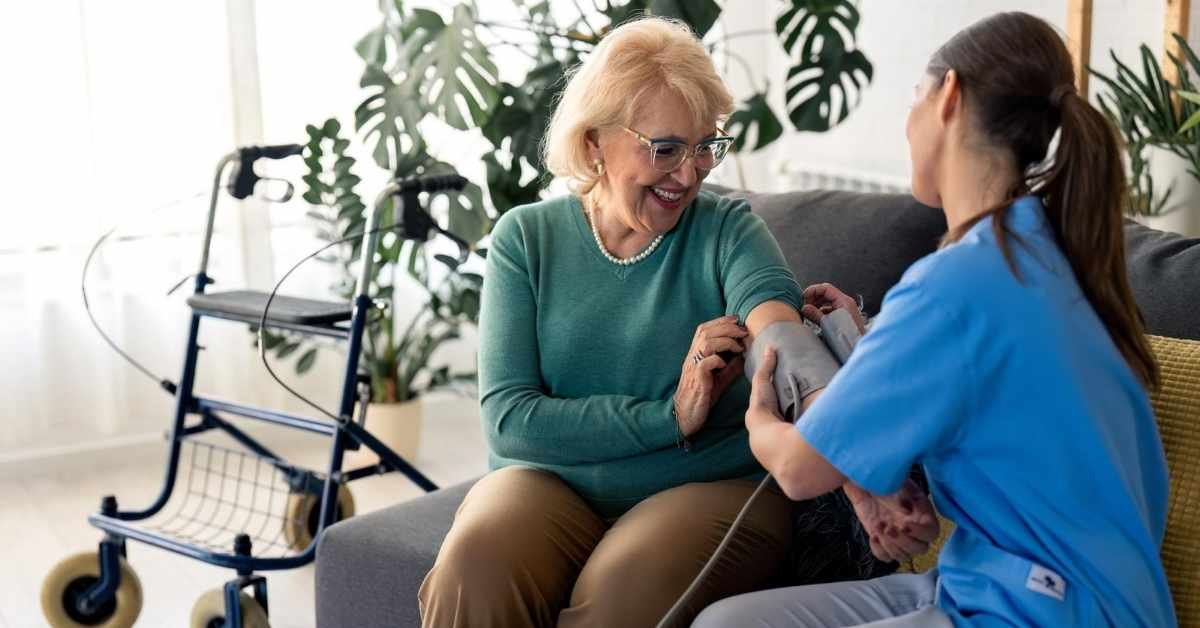
One of the most powerful functions of in-home skilled nursing is early detection. Nurses do not just check vitals. They assess patterns.
They observe breathing effort, swelling, fatigue levels, wound appearance, mobility changes, and mental status. A slight weight gain may signal fluid retention. Mild confusion may indicate infection or medication reaction. A subtle wound odor may signal bacterial growth.
These early signals often appear days before hospitalization becomes necessary. Skilled nurses intervene at this stage, coordinating with physicians before the situation escalates.
How can Medication Management Reduce Readmission Risk?
Medication errors are one of the leading drivers of hospital returns. After discharge, prescriptions often change significantly. Patients may continue old medications, skip new ones, or take incorrect dosages.
Skilled nurses conduct medication reconciliation. They compare pre-hospital medications with discharge orders, clarify dosing schedules, and educate both patients and caregivers.
They also monitor side effects such as dizziness, abnormal blood pressure, blood sugar instability, or gastrointestinal reactions. Early identification allows prescribers to adjust treatment before complications require hospitalization.
How can Skilled Nursing Prevent Post-Surgical and Wound Complications?
Wound care is one of the most underestimated readmission risks. Surgical sites, pressure injuries, and chronic wounds require precision care.
In-home nurses perform sterile dressing changes, monitor tissue healing, and identify infection markers such as redness, drainage, warmth, or odor. They also teach caregivers how to maintain hygiene and protect the wound between visits.
When wound care is clinically supervised, infection rates and emergency visits drop significantly.
How can Skilled Nurses Strengthen Care Coordination After Discharge?
Discharge plans often look clear on paper but become complicated in real life. Appointments must be scheduled, transportation arranged, labs completed, and therapy initiated.
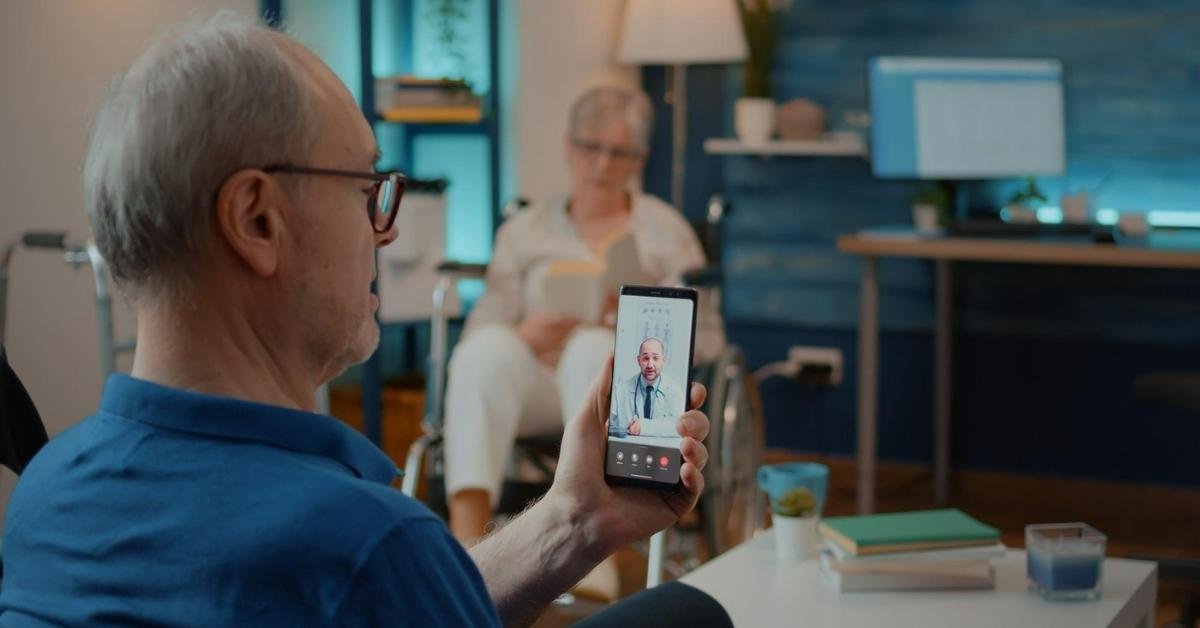
Skilled nurses act as the bridge between hospital instructions and real-world execution. They reinforce follow-up timelines, communicate patient progress to physicians, and escalate concerns when recovery deviates from expectations.
This continuity prevents patients from falling through systemic gaps that commonly lead to readmission.
How can Families Be Trained to Manage Recovery Safely?
A major driver of readmissions is caregiver uncertainty. Families want to help but lack clinical knowledge.
Skilled nurses transform households into capable care environments. They teach how to monitor symptoms, manage equipment, support mobility, and maintain safe routines. Caregivers learn what requires monitoring, what requires a doctor call, and what requires emergency response.
Confidence reduces panic-driven ER visits and ensures problems are addressed appropriately.
What should Families Consider Before Starting Skilled Nursing Services?
Not all service setups deliver the same outcomes. Families should ensure care begins quickly after discharge and that communication flows between nurses, physicians, and caregivers.
Consistency of nursing staff, clarity of escalation protocols, and structured progress monitoring all influence readmission prevention success.
Selecting a provider without transition expertise can quietly increase risk rather than reduce it.
What is the Real Impact of In-Home Skilled Nursing on Readmissions?
The impact is structural, not incidental.
Skilled nursing reduces readmissions by closing the transition gap between hospital and home. It detects complications early, ensures medication accuracy, prevents wound infections, reinforces physician follow-ups, and equips families with clinical awareness.
Recovery does not fail because hospitals underperform. It fails because the home phase lacks medical oversight. Skilled nursing corrects that imbalance.
Preventing hospital readmissions requires more than discharge paperwork. It requires continuous clinical vigilance during recovery. In-home skilled nursing provides that vigilance where it matters most inside the home. By identifying risks early, coordinating care effectively, and educating families thoroughly, it transforms vulnerable post-hospital weeks into a safer, more stable recovery path.