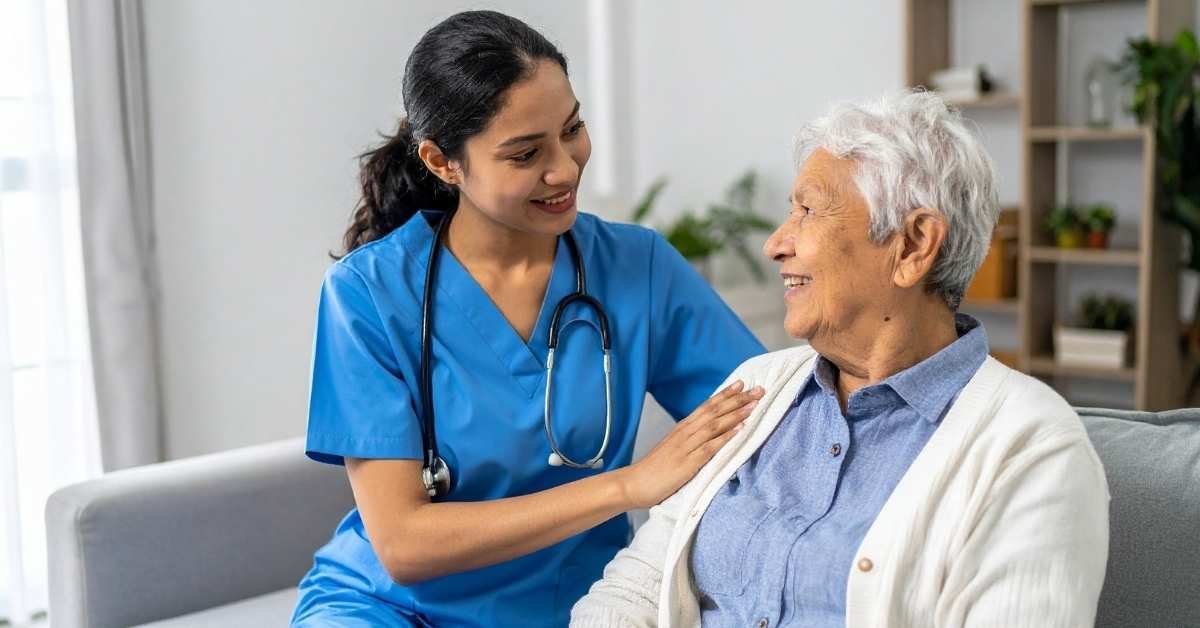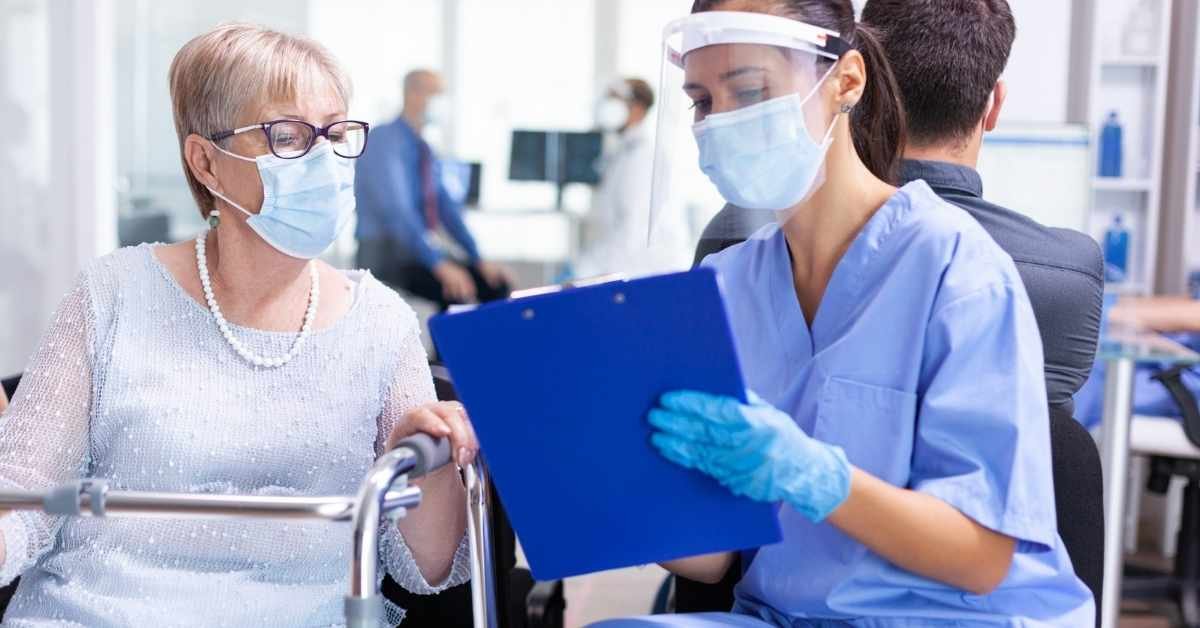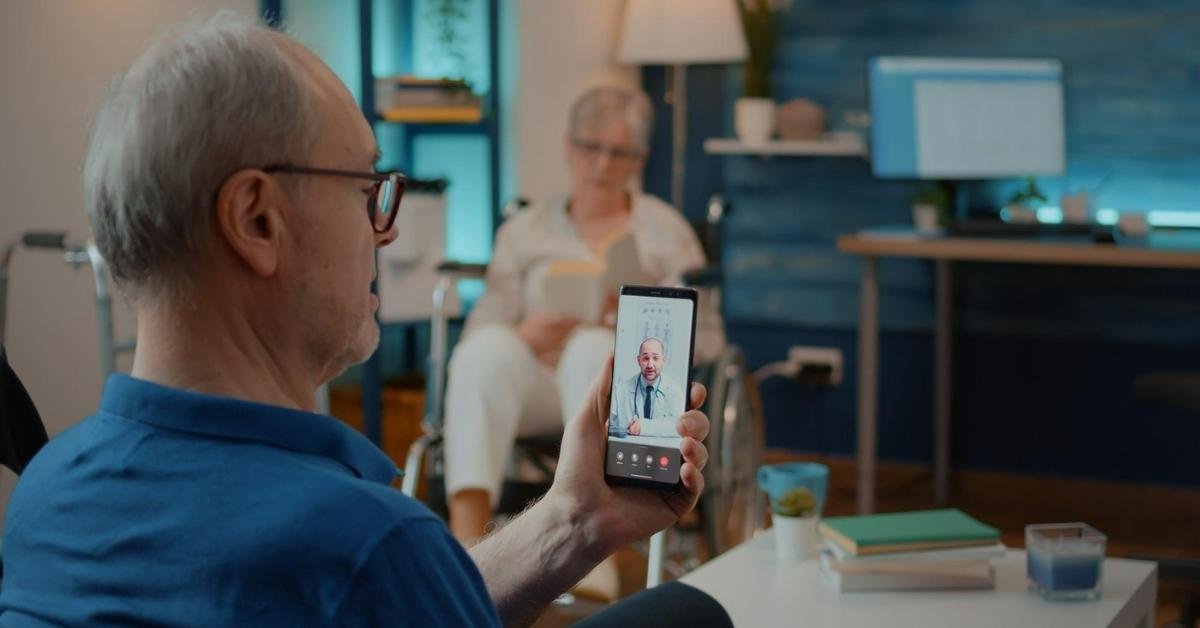

When families hear “home health care,” they often think it means any help at home. In New Jersey, “skilled” home health care has a specific meaning. Skilled services are medical services that must be done by a licensed nurse or a qualified therapist. These services are usually ordered by a doctor and are part of a plan of care.
This guide explains what counts as skilled care in NJ, with clear examples like wound care, therapy, injections, catheter care, and diabetes or heart care.
Which Skilled Nursing Services are Commonly Provided at Home?
Skilled nursing is care provided by licensed nurses when a patient needs medical treatment, monitoring, or teaching that is not safe to do alone. Medicare lists examples of part-time or intermittent skilled nursing needs such as wound care, injections, IV or nutrition therapy, education, and monitoring unstable health conditions.
Wound Care
Wound care is skilled when the wound is complex or has a risk of infection and needs a nurse’s clinical judgment. This can include dressing changes after surgery, pressure sore care, or watching for signs of infection. Medicare lists wound care as an example of skilled nursing care.
A nurse may also teach the family how to keep the wound clean and what warning signs should trigger a call to the doctor.
Injections and IV Therapy
Injections can be skilled when they must be given safely, on schedule, and with monitoring for side effects. Medicare lists injections as an example of skilled nursing care.
IV therapy (and some nutrition therapy) is also often skilled because it requires sterile technique, monitoring, and problem-solving if complications happen. Medicare includes IV therapy and nutrition therapy as examples of skilled nursing care.
Catheter Care
Catheter care can be skilled when the patient needs a nurse to manage catheter changes, reduce infection risk, or treat catheter-related problems. A nurse may check urine output, look for signs of infection, and educate the patient and caregiver on safe handling and hygiene.
The key point is not the word “catheter” itself. The key point is whether the care needs nursing skill and judgment to be safe.
Medication Management and Monitoring
Home health nurses do not just “remind” people to take medicine. Skilled medication support often includes reviewing medication routines, watching for side effects, checking vital signs, and teaching safe use. Medicare lists monitoring serious illness and unstable health status, and patient and caregiver education, as part of skilled nursing care.
This matters for conditions where a small change can become an emergency, like heart failure, COPD, or diabetes.
Which Therapy Services are Considered Skilled?
Therapy is skilled when it requires a qualified therapist to treat and improve function safely. Federal rules recognize skilled professional services in home health to include physical therapy, occupational therapy, and speech-language pathology.
Physical Therapy
Physical therapy is skilled when a therapist must evaluate strength, balance, walking ability, and pain, then build a plan to restore movement and reduce fall risk. After surgery, stroke, or weakness from illness, PT can help patients regain safe mobility.
Occupational Therapy
Occupational therapy focuses on daily function, like dressing, bathing safely, using the toilet safely, and moving around the home. OT may also recommend home safety changes and teach energy-saving techniques for patients with fatigue or breathing problems.
Speech Therapy
Speech-language therapy is not only for speech. It can also help with swallowing problems after stroke or illness. A speech therapist may teach safer swallowing methods to reduce choking and aspiration risk.
Diabetes Care
Diabetes support becomes “skilled” when the patient needs clinical monitoring, teaching, and risk management. A nurse may help with insulin teaching, blood sugar pattern tracking, skin checks, and recognizing early signs of low or high blood sugar.
Medicare includes patient and caregiver education and monitoring unstable health status as examples of skilled nursing care, which often applies to diabetes when the situation is not stable or the patient is learning a new treatment plan.
Cardiac Management
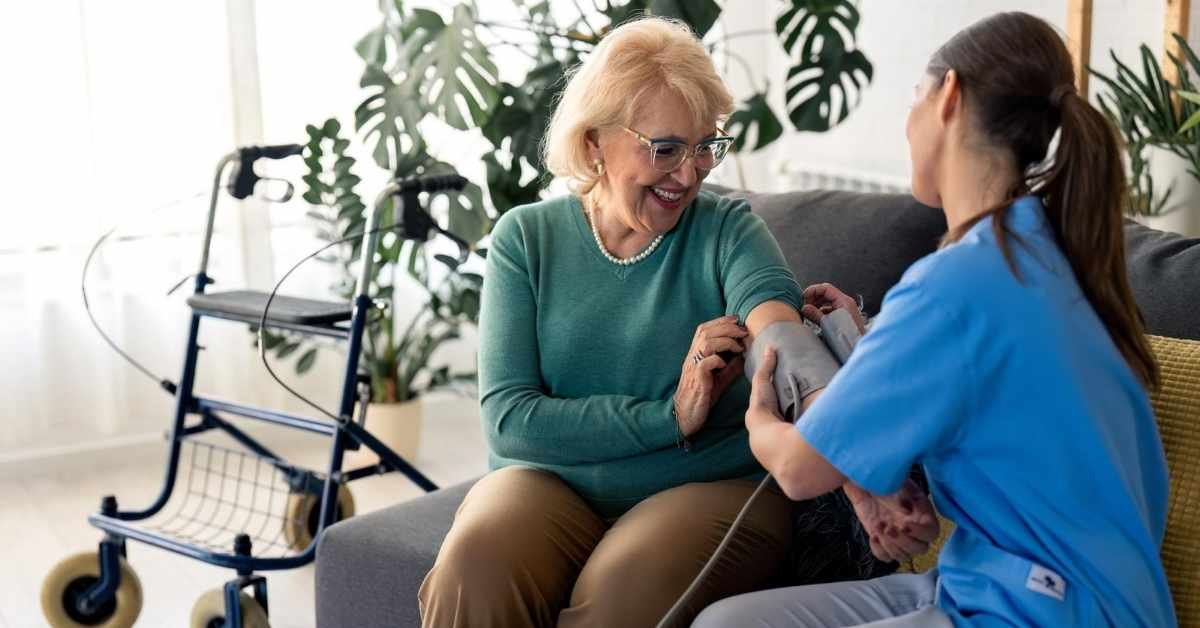
Heart conditions can change fast. Skilled home health care may include monitoring blood pressure, pulse, weight changes, swelling, breathing changes, and medication effects. Medicare’s home health coverage examples include monitoring serious illness and unstable health status.
For many patients, skilled nursing at home supports safer recovery and helps catch problems early.
What is Not Considered Skilled Home Health Care Services?
If the care does not require a nurse or therapist’s clinical skill, it is usually not “skilled.” Examples include ongoing help with bathing, dressing, meal prep, laundry, housekeeping, and general companionship. These supports can be life-changing, but they are typically classified as non-medical personal care rather than skilled home health.
This difference matters because skilled services follow medical coverage rules and are tied to medical necessity, a provider order, and a plan of care.
How Can Families Know If Their Loved One Needs Skilled Care?
A simple way to think about it is this. If your loved one needs medical treatment, clinical monitoring, or therapy that could be unsafe without a trained professional, it may be skilled care. Wounds, injections, catheter issues, unstable diabetes, and heart problems often fall into this category when they require nursing judgment.
If the main need is help with daily tasks only, then non-medical home care may be the better match.
Skilled home health care services in New Jersey are medical services that require a licensed nurse or a qualified therapist. Common examples include wound care, injections, catheter care, IV therapy, physical therapy, occupational therapy, speech therapy, and monitoring for conditions like diabetes or heart disease when clinical judgment is needed.