

If your loved one needs help at home, the first big decision is PCA Service vs Private Duty Nursing. These two services sound similar, but they are built for very different needs and budgets.
In simple terms:
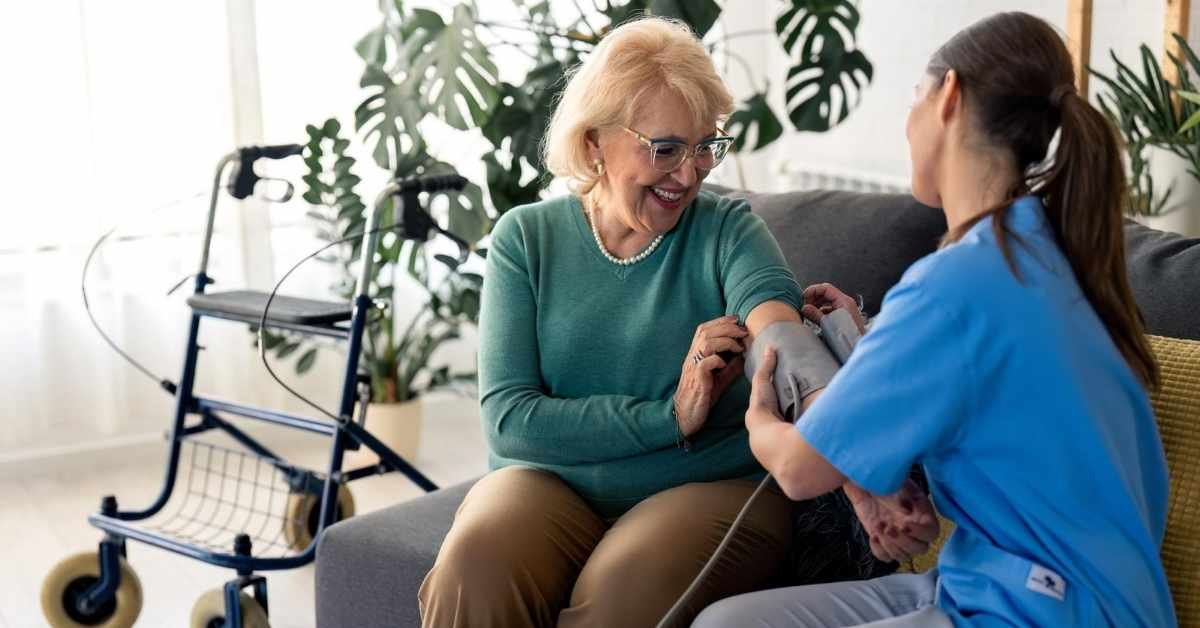
PCA (Personal Care Assistant) services focus on daily living help and ongoing health-related support in the home.
Private Duty Nursing (PDN) is one-on-one, continuous skilled nursing care provided by a licensed nurse in the home.
What is PCA service?
PCA services are “non-emergent, on-going health related tasks” done by qualified staff in a NJ FamilyCare eligible person’s home, often for long-term or chronic needs (not short-term skilled care).
In New Jersey, many aides working in home care are Certified Homemaker-Home Health Aides (CHHAs) regulated by the New Jersey Board of Nursing, and CHHA training programs include at least 76 hours (classroom + clinical).
What can PCA workers help with?
PCA support can commonly include:
Bathing, grooming, dressing, toileting help
Safe transfers and walking support
Meal prep, basic nutrition support, and reminders
Light household tasks linked to the care plan
Observing changes and reporting concerns to the care team (as allowed by the plan and agency rules)
What is private duty nursing?
Private Duty Nursing is defined in NJ rules as individual and continuous nursing care provided by licensed nurses in the home different from part-time or intermittent nursing visits.
PDN is typically used when someone needs ongoing skilled nursing interventions and close monitoring, not just help with daily activities.
What can private duty nurses do?
Private duty nurses can provide skilled care such as:
Medication administration that requires nursing judgment
Wound care and complex dressing changes
Tube feeding care, trach care, ventilator support (when ordered)
Ongoing monitoring for unstable conditions
Care coordination with physicians and therapists
How are PCA service and private duty nursing different?
1) Who is providing the care?
PCA services are typically delivered by trained aides (often CHHAs in NJ) under agency standards and a care plan.
Private duty nursing is delivered by licensed LPNs or RNs providing skilled nursing care.
2) What is the goal of care?
PCA is mainly about safe daily living + ongoing support.
PDN is about continuous medical-level nursing care.
3) How many hours are usually needed?
PCA hours can range based on medical necessity and assessment in NJ programs.
PDN hours are often higher when a patient needs near-constant skilled monitoring, because PDN is designed for continuous care.
When is PCA the right choice?
PCA service can be the best fit if your loved one:
Needs hands-on help with bathing, dressing, toileting, meals
Is mostly stable medically but needs ongoing support
Wants to stay safely at home with routine assistance
Needs chronic-condition support that doesn’t require constant nursing skills
When is private duty nursing the right choice?
Private duty nursing can be the best fit if your loved one:
Needs skilled nursing tasks throughout the day (not just a short visit)
Has complex medical equipment or unstable health needs
Requires continuous monitoring to stay safe at home
How does Medicare usually handle these services?
This is where many families get surprised. Medicare home health coverage is tied to needing intermittent skilled care, and Medicare does not cover:
24-hour-a-day care at home
custodial/personal care when that’s the only care you need
So if someone only needs help bathing/dressing and no skilled need, Medicare generally won’t pay for that alone.
What questions should you ask before choosing?
If you are choosing PCA services, ask:
“Will the caregiver be CHHA-certified in New Jersey?” (If applicable to the role and agency model.)
“What tasks are included in the care plan, and what is not allowed?”
“How is supervision handled, and who do we call after hours?”
If you are choosing private duty nursing, ask:
“Will we get an RN or LPN—and what will each do?”
“How will the nurse handle emergencies and physician updates?”
“What documentation will be completed each shift?”
What mistake should families avoid?
The biggest mismatch is choosing based on the word “nursing.”
If your loved one mostly needs hands-on daily support, paying for private duty nursing can be overkill. If your loved one needs continuous skilled care, using PCA-only support can be unsafe.
The right choice is not the higher level, it’s the right level.
What should your next step be?
It is easiest to decide after you answer one question:
“Does my loved one need continuous skilled nursing care or mainly daily living support?”
If you want, tell us the situation (age, main diagnosis, and what help they need each day), and we’ll map it to the right service level and a practical care plan outline for New Jersey.