
Technology is transforming home health care in ways that are practical, measurable, and deeply relevant to families across New Jersey. What used to depend heavily on in-person visits and manual documentation is now shifting toward connected systems that support safer, faster, and more informed care at home. This transformation is not reducing the human role in caregiving; it is strengthening it by giving professionals better tools to protect health and independence.
This article is explaining how technology, especially telehealth and remote monitoring, is changing everyday home health care in ways families can clearly understand and benefit from.
Why Technology is Becoming a Core Part of Home Health Care
Home health care is growing more complex as people live longer with chronic conditions and recover at home after hospital stays. At the same time, families are expecting more visibility, quicker responses, and better coordination. Technology is filling this gap by supporting caregivers with real-time data and clearer communication.
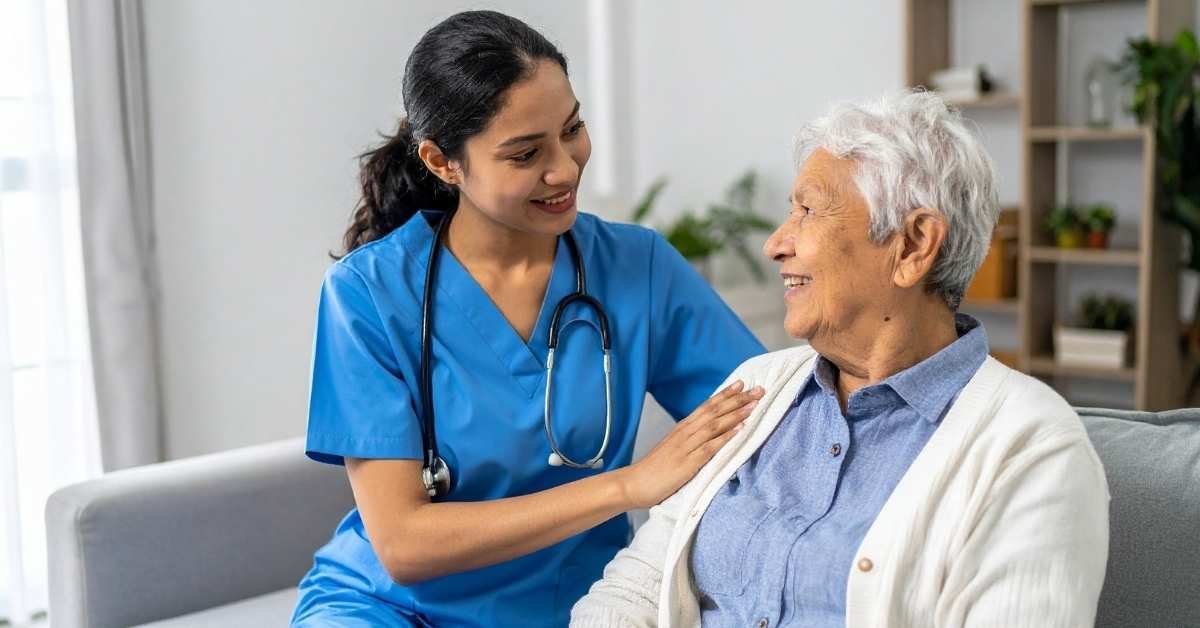
Instead of replacing personal care, technology is allowing nurses and caregivers to spend more meaningful time with patients while staying informed about their medical needs between visits.
How Telehealth is Expanding Access to Medical Support at Home
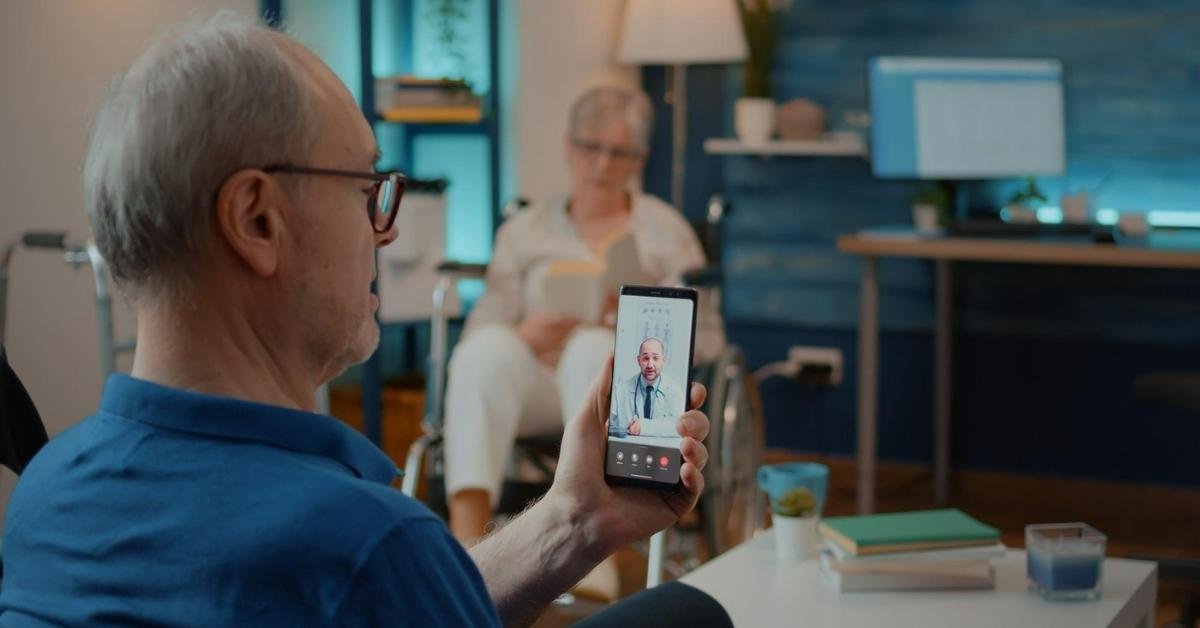
Telehealth is making it possible for patients to consult doctors, nurses, and specialists without leaving their homes. Through secure video visits and digital check-ins, medical guidance is being delivered quickly and safely.
For seniors and individuals with mobility challenges, telehealth is reducing the physical strain of travel. For families, it is providing faster answers to health concerns and easier follow-ups after hospital discharge. In many cases, early virtual intervention is preventing complications that might otherwise lead to emergency room visits.
How Remote Monitoring is Improving Day-to-Day Health Management
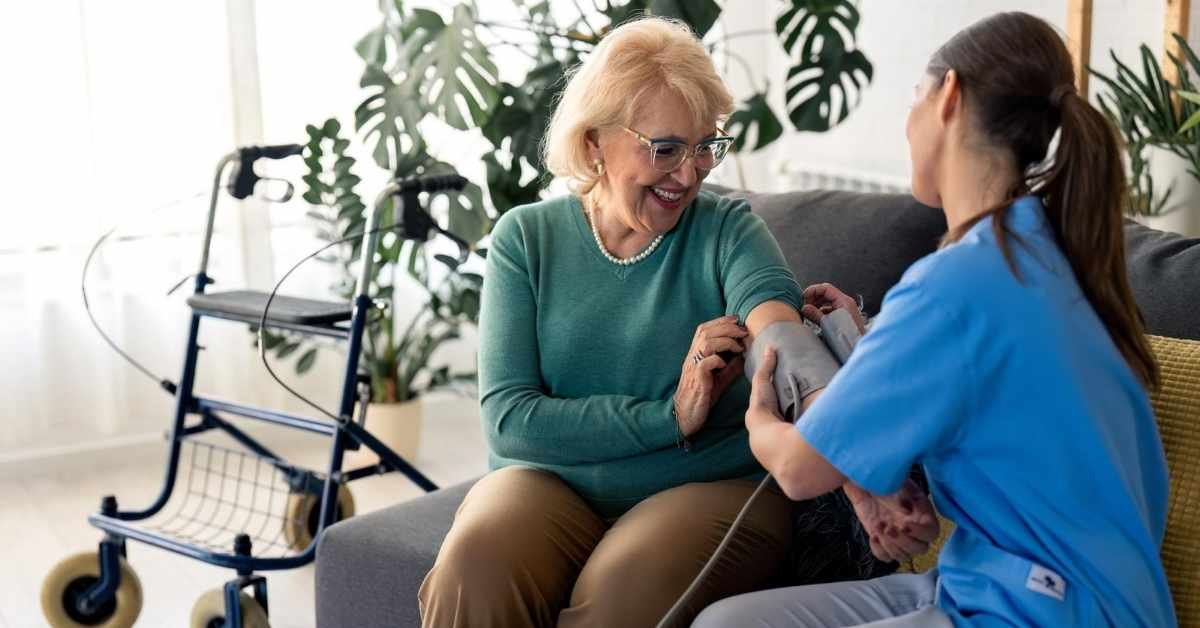
Remote monitoring is changing how ongoing health conditions are managed at home. Devices that track blood pressure, blood sugar, oxygen levels, heart rate, and daily activity are sending important health data directly to care teams.
This continuous flow of information is helping nurses and clinicians notice subtle changes early. When something looks abnormal, care adjustments are being made sooner, often before symptoms become serious. For patients with conditions like heart disease, diabetes, or respiratory issues, this proactive approach is significantly reducing avoidable hospitalizations.
How Digital Care Systems are Improving Communication and Accuracy
Technology is also improving how information is shared among caregivers, nurses, physicians, and family members. Digital care platforms are organizing medication lists, visit notes, care plans, and schedules in one secure place.
As a result, care instructions are staying consistent, medication errors are becoming less common, and families are feeling more confident about what is happening day to day. This level of coordination is especially valuable when multiple providers are involved in a patient’s care.
How Smart Home Technology is Enhancing Safety and Independence
Safety technology is playing an important role in helping seniors remain independent at home. Fall detection devices, emergency alert systems, and motion sensors are providing an added layer of protection without constant supervision.
These tools are alerting caregivers quickly during emergencies and are identifying unusual activity patterns that may signal a health concern. Seniors are maintaining their independence, while families are gaining peace of mind knowing help can be reached quickly if needed.
What Families Should Understand About Technology-Enabled Home Care
Technology is not replacing compassion, trust, or personal connection. Instead, it is supporting caregivers so they can deliver better, more attentive care. When used responsibly, technology is enhancing decision-making and is allowing care to be tailored more closely to each individual’s needs.
Families are benefiting from clearer communication, faster response times, and better insight into a loved one’s health status all without sacrificing comfort at home.
How You Can Benefit from Technology-Driven Home Health Care
If you are exploring home health care for yourself or a loved one, understanding how technology is being used can help you make a better decision. Asking about telehealth access, remote monitoring, and digital communication is empowering families to choose proactive, modern care.
Technology is transforming home care, and with the right New Jersey home health provider, that transformation is turning into safer care, quicker support, and greater peace of mind at home.