

Managing daily medications becomes harder with age yet even a small mistake can lead to avoidable hospital visits, dizziness, confusion, or missed doses. For many New Jersey families, the real challenge is making sure seniors stay consistent, safe, and supervised at home. That’s where proper medication reminders and ongoing health monitoring make a life-changing difference.
Why does Medication Reminders Matter for the Elderly?
Medication schedules often involve multiple pills, different timings, and food-related instructions. Seniors dealing with memory loss, vision problems, or chronic conditions easily become overwhelmed.
What usually goes wrong:
- Missing essential doses.
- Taking medications twice.
- Mixing up morning and evening pills.
- Stopping medicines because of side effects.
- Forgetting doctor instructions.
These issues directly affect heart health, diabetes control, blood pressure, mobility, and cognitive function. Effective Medication Reminders for the Elderly prevent these risks and build long-term stability.
How do Professional Caregivers Support Medication Safety?
Home care professionals don’t “administer” medication unless state-licensed but they ensure accuracy through structured assistance.
Practical support caregivers provide
- Preparing daily or weekly pill boxes.
- Reading labels and clarifying instructions.
- Offering timely reminders.
- Documenting every dose taken or missed.
- Noticing unusual reactions or side effects.
- Coordinating with families if something seems off.
This structured routine immediately reduces medication-related stress for both seniors and their loved ones.
Health Monitoring at Home: The Second Half of Safety
Medication safety works only when combined with continuous health observation. Many senior conditions change quickly and early detection is the difference between a small issue and a medical emergency.
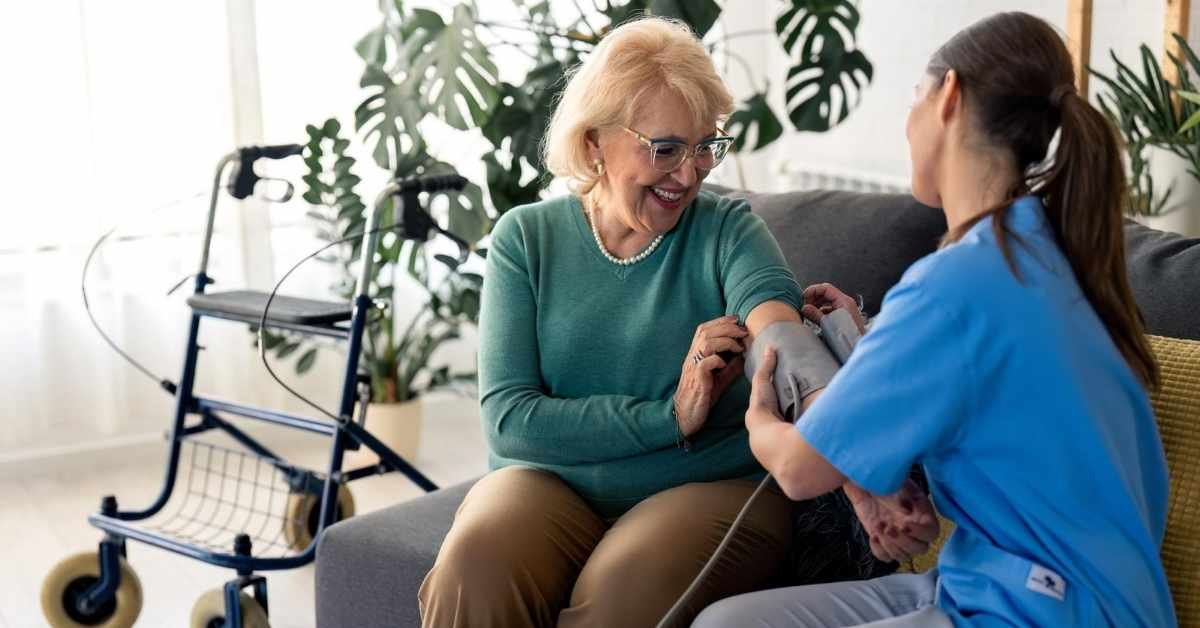
Caregivers help monitor key daily indicators
- Blood pressure and heart rate.
- Blood sugar trends (as advised by families).
- Mobility changes or new pain.
- Appetite, hydration, and sleep.
- Breathing patterns for COPD or asthma.
- Emotional or behavioral changes.
This creates a real-time picture of a senior’s wellbeing and helps families make faster decisions.
Early Warning Signs Caregivers Identify
Trained home care professionals often notice problems before they escalate:
- Sudden forgetfulness or confusion.
- Skipping meals.
- Unsteadiness while walking.
- New swelling in legs.
- Change in mood or energy.
- Trouble swallowing pills.
- Vomiting after medication.
- Low-grade fever or unusual fatigue.
These early signals allow loved ones to contact doctors quickly and avoid emergencies.
Effective Medication Reminders for the Elderly paired with daily health monitoring create a strong safety net for seniors aging at home. With professional caregivers offering reminders, observation, and compassionate support, New Jersey families don’t have to manage everything alone they gain a partner in their loved one’s wellbeing.