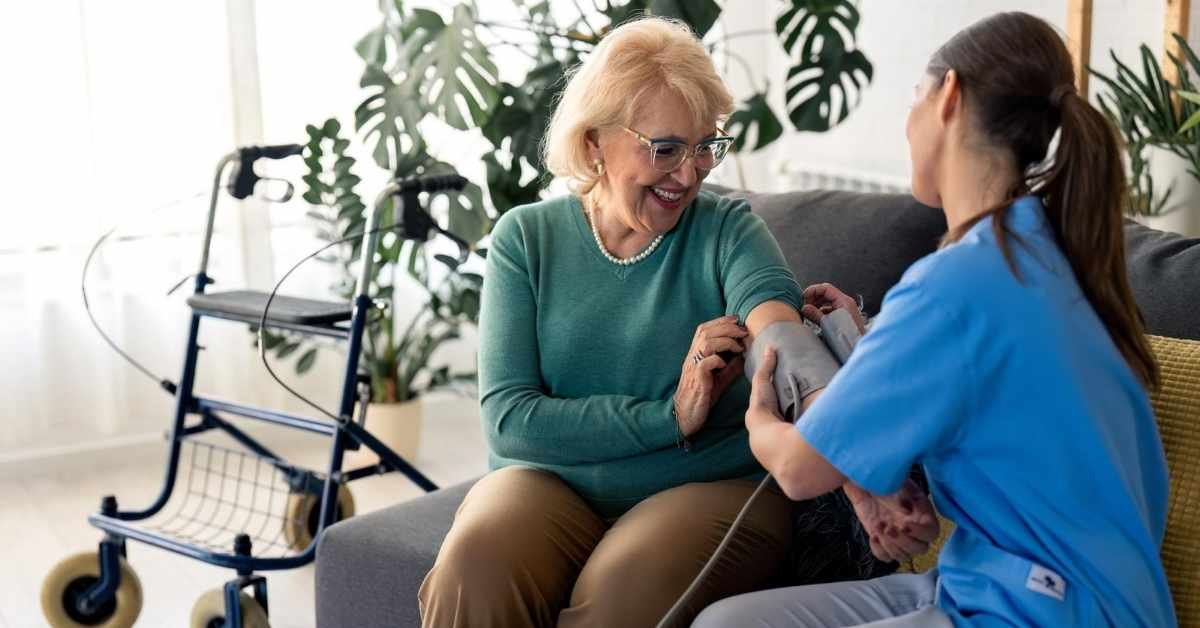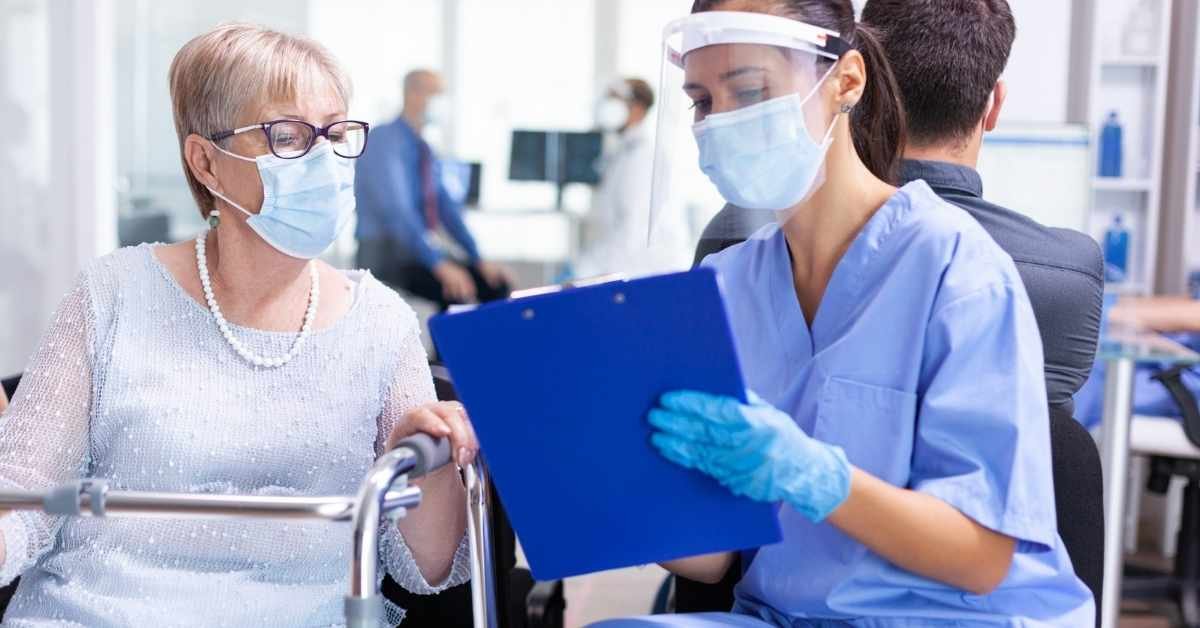
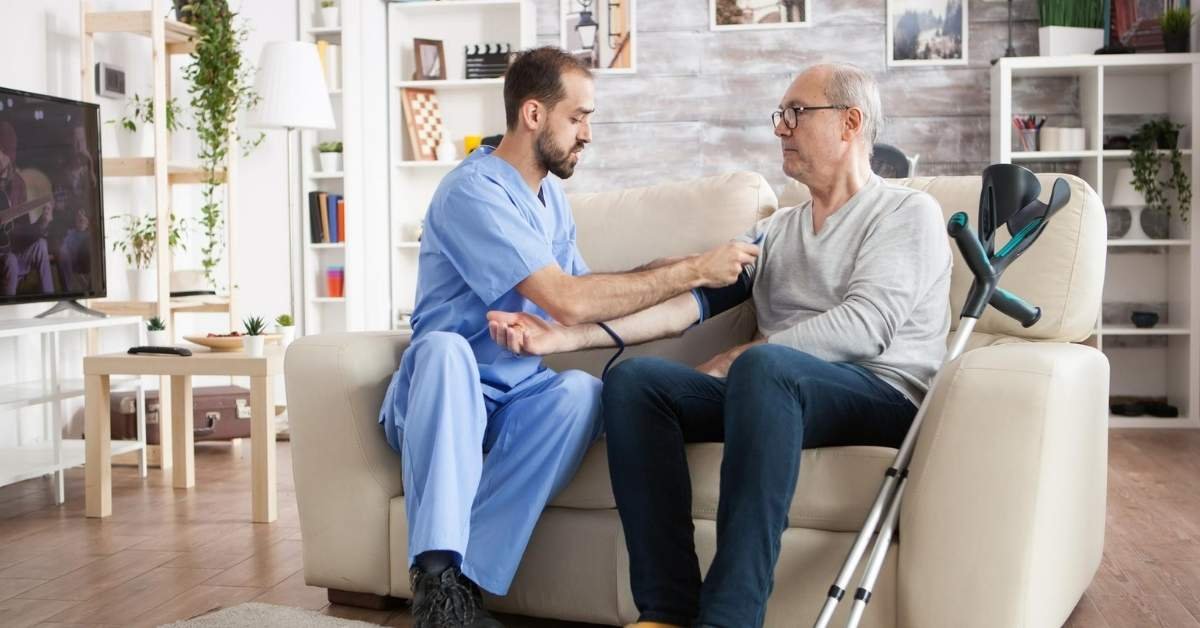

Caring for an aging or ill loved one can be deeply emotional and physically demanding. Over time, their needs may outgrow what you can safely handle alone. That’s where Quality Home Health Care becomes essential. It provides professional support, comfort, and peace of mind right at home.
Here are 10 clear signs it might be time to consider professional care for your loved one:
1. Increasing Difficulty with Daily Activities
If your loved one struggles with basic tasks like bathing, dressing, or cooking, that’s a red flag. Quality Home Health Care ensures trained caregivers help with personal hygiene, meal preparation, and safe mobility while preserving your loved one’s independence and dignity.
2. Frequent Falls or Balance Issues
Falls are one of the biggest risks for seniors. Unsteady walking, dizziness, or repeated falls indicate the need for supervision. A home health care professional can assess mobility, create a safer environment, and provide fall prevention support.
3. Worsening Medical Conditions
Chronic illnesses such as diabetes, heart disease, or Alzheimer’s require ongoing monitoring. Quality Home Health Care brings skilled nursing support to manage medications, monitor vital signs, and coordinate with doctors to prevent hospital readmissions.
4. Missed Medications or Confusion
Forgetting or mixing up medicines can lead to serious health issues. Home health nurses ensure accurate medication reminders and tracking giving families peace of mind that treatments are followed correctly.
5. Poor Nutrition or Unintentional Weight Loss
If your loved one skips meals, loses weight, or eats unbalanced diets, it may be time for help. Quality Home Health Care includes meal planning and assistance to ensure they eat nutritious, regular meals that match their medical needs.
6. Noticeable Decline in Personal Hygiene
Changes like wearing dirty clothes, body odor, or neglected grooming are warning signs of self-care decline. Trained caregivers assist respectfully, promoting both health and emotional well-being.
7. Emotional Withdrawal or Depression
Isolation can quickly lead to loneliness and depression. Home health care professionals offer companionship, conversation, and emotional support that improve mood and mental health crucial for long-term wellness.
8. Caregiver Fatigue or Burnout
When family caregivers feel overwhelmed, everyone suffers. A Quality Home Health Care service helps share responsibilities, allowing families to rest and recharge while professionals provide attentive care at home.
9. Frequent Doctor or Hospital Visits
Recurrent hospital trips suggest unstable health or poor management of chronic conditions. Skilled nurses can provide post-hospitalization care, wound care, or rehabilitation right at home reducing medical visits.
10. Safety Concerns at Home
Cluttered floors, poor lighting, or unsafe bathrooms increase accident risks. Home Health Care professionals assess the home setup and make necessary modifications to keep your loved one safe in familiar surroundings.
Recognizing these signs early can prevent crises and improve quality of life. Quality Home Health Care offers personalized solutions from nursing support to companionship tailored to your loved one’s health and comfort. Choosing professional care doesn’t mean giving up control; it means ensuring the best possible care, right at home.