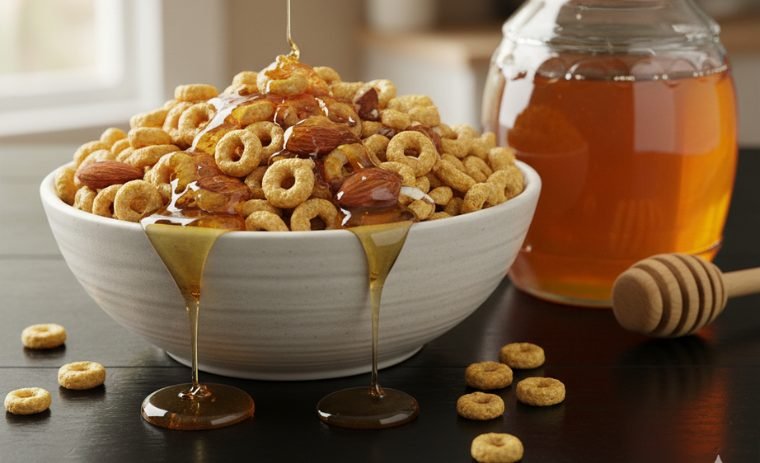

People with diabetes want breakfasts that are fast, tasty, and safe. Cereal is easy. Honey Nut Cheerios is popular. The big question is simple- Can diabetics eat Honey Nut Cheerios?
Yes, sometimes and in small amounts. But it should not be your everyday breakfast. This guide explains why, and how to enjoy it more safely when you choose to have it.
Why breakfast choices matter with diabetes
Breakfast sets the tone for your blood sugar the rest of the morning. A sweet, low-fiber meal can push your glucose up fast and leave you tired soon after. A balanced meal with protein and fiber keeps numbers steadier, helps you think clearly, and supports heart health. When you pick a cereal, you are choosing how your body will feel for the next few hours.
What makes Honey Nut Cheerios different from plain Cheerios
Honey Nut Cheerios are made from whole-grain oats but include added sweeteners for flavor. That sweetness is the key issue for diabetes. Added sugars digest quickly and raise blood glucose faster than foods rich in fiber and protein. Plain Cheerios are less sweet and have fewer added sugars. That is why most clinicians prefer the plain version for regular use. If your goal is stable numbers, less sugar wins.
The short answer, explained simply
You can eat Honey Nut Cheerios if you manage three things at the same time: portion, pairing, and personal response.
Portion: The usual home bowl is larger than the serving shown on the label. A big bowl means more carbs and a bigger spike. Keep the portion small. Think in terms of half a cup to three-quarters of a cup, not a deep cereal bowl.
Pairing: Do not eat the cereal alone. Add protein and some fiber. Protein slows digestion and helps control the rise in blood sugar. Good partners include unsweetened Greek yogurt, eggs, cottage cheese, or a small handful of nuts. Choose unsweetened milk or milk alternatives.
Personal response: Test your glucose. Check before you eat and again one to two hours later. If numbers jump or stay high, shrink the portion next time or choose a different breakfast.
This simple plan turns a risky choice into an occasional treat that is easier to handle.
How cereal affects blood sugar
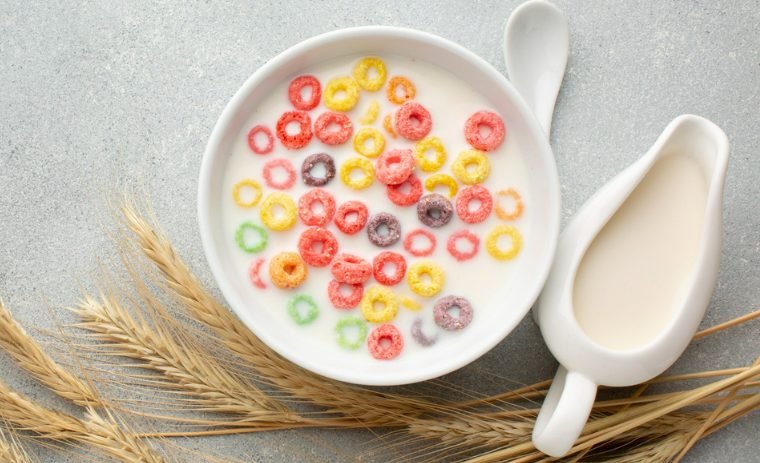
Your body breaks cereal starch and added sugar into glucose. If the cereal is sweet and the fiber is modest, digestion is quick. Quick digestion pushes glucose up fast. Milk also adds natural sugar. If the portion is large, the total carbohydrate load can be high even when the label looks modest.
That does not mean cereal is “bad.” It means you must treat sweet cereal like dessert. Smaller amounts and smart partners change the outcome. The same thinking works for other sweet breakfast foods as well.
A safer way to eat Honey Nut Cheerios
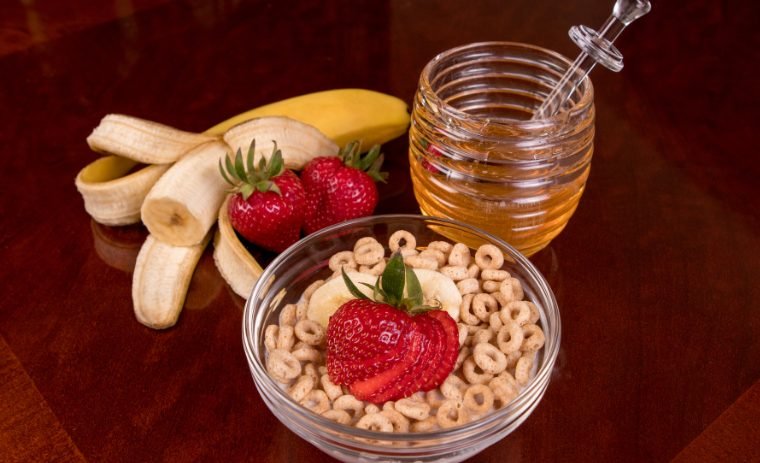
Picture a normal weekday morning. You want something quick. You pour a small portion of Honey Nut Cheerios. Instead of filling the bowl with milk, you top a cup of unsweetened Greek yogurt with the cereal. You add a few berries for taste and fiber. You drink water or unsweetened tea. You feel satisfied, and your numbers look better than when you ate a big bowl with sweet milk. This is the idea in practice: smaller, stronger choices.
If you prefer milk, pick an unsweetened option and keep the amount measured. A smaller cup and a pre-measured scoop help more than willpower. Place a measuring cup by the cereal so your hand chooses the same safe portion every time.
Better “most-days” breakfasts
Most people do well when Honey Nut Cheerios becomes an occasional choice rather than a daily habit. For everyday meals, pick options with more fiber and less sugar. Plain Cheerios, oatmeal, bran-type cereals, eggs with whole-grain toast, or yogurt bowls with seeds and nuts all fit this plan. These meals still feel easy and familiar but are friendlier for glucose control.
What to do if you love Honey Nut Cheerios
You do not need to give it up completely. Use a simple pattern that respects your health:
- Pick one day per week as your “treat cereal” morning.
- Use a small portion and add protein every time.
- Keep a note of what your meter or CGM shows.
- If the numbers are still higher than you want, move the cereal to a smaller sprinkle over yogurt, or switch to a less sweet brand.
This pattern protects your routine and your goals at the same time.
Suggestion for caregivers
If you care for a senior with diabetes, set up the kitchen for success. Keep unsweetened yogurt, eggs, nuts, and berries within easy reach. Store cereal in small containers that hold one safe portion. Post a one-page breakfast guide on the fridge with two or three simple choices. When the environment is ready, good decisions happen without debate.
You do not have to abandon foods you enjoy. You only need a plan that respects your health. Keep Honey Nut Cheerios as a small, occasional choice. Build most breakfasts around fiber and protein. Check your numbers and let your own data lead the way.
Frequently Asked Questions
Is Honey Nut Cheerios full of sugar?
Yes. A cup has about 12 grams of sugar, which is considered high for a cereal. It tastes good but can raise blood sugar quickly. For people with diabetes, it should be an occasional treat, not an everyday choice.
Can diabetics eat Cheerios?
Yes. Plain Cheerios are low in sugar (only 1 gram per serving) and made with whole grain oats, making them the best choice. Sweetened types like Honey Nut Cheerios are less safe because they have more sugar. Stick with plain versions, control portions, and add protein for balance.
Are multigrain Cheerios good for diabetics?
They are better than Honey Nut Cheerios because they have more fiber, but they still contain added sugar. If you enjoy them, eat a measured portion and pair with protein or nuts to keep blood sugar steady. For daily use, plain Cheerios or oatmeal are healthier.
Is Honey Nut Cheerios good for cholesterol?
Yes, but with limits. The soluble fiber in oats can help lower “bad” cholesterol. However, the added sugar is not ideal for heart or blood sugar health. For the same benefit with less sugar, choose plain Cheerios or oatmeal instead.
What cereal is usually safer?
Plain Cheerios, oatmeal, and high-fiber cereals with little or no added sugar are safer for most people.
References:
American Diabetes Association – Healthy Eating & Diabetes
https://www.diabetes.org/healthy-living/recipes-nutrition
Centers for Disease Control and Prevention (CDC) – Diabetes Nutrition and Meal Planning
https://www.cdc.gov/diabetes/healthy-eating
Harvard T.H. Chan School of Public Health – Carbohydrates and Glycemic Index
https://www.hsph.harvard.edu/nutritionsource/carbohydrates/glycemic-index/