

In an era where technology permeates every aspect of daily life, its integration into senior home care represents a transformative shift toward safer, more independent living for older adults. As the global population ages rapidly, with the number of individuals aged 65 and older projected to reach 1.5 billion by 2050, the demand for innovative solutions to support aging in place has never been higher. Home care, which allows seniors to remain in familiar environments rather than moving to institutional settings, is increasingly bolstered by technological advancements. These tools not only enhance safety and health monitoring but also foster emotional well-being and social connections.
The home healthcare market is booming, expected to reach USD 797.8 billion by 2032, growing at a CAGR of 8.2% from 2022 levels. In the U.S. alone, the home care industry is projected to generate over $107 billion in revenue in 2025, driven by an aging population, caregiver shortages, and a preference for personalized care. Technology plays a pivotal role in this growth, from smart home devices to telehealth services, enabling seniors to manage chronic conditions, prevent accidents, and maintain autonomy.
However, while the potential is immense, adoption isn’t without hurdles. Many seniors face barriers like digital literacy gaps or privacy concerns. This blog explores the latest innovations in technology for senior home care as of 2025, their benefits, common challenges, and practical tips for successful implementation. Whether you’re a caregiver, family member, or senior yourself, understanding these elements can help harness technology to improve quality of life. We’ll draw on recent statistics and expert insights to provide a comprehensive, actionable guide.
The Evolving Landscape of Technology in Senior Home Care
The landscape of senior home care technology in 2025 is marked by rapid innovation and increasing accessibility. According to a market overview, the global smart home device market is expected to exceed $165 billion by 2025, with a significant portion dedicated to aging-in-place solutions. This growth is fueled by demographic shifts: in the U.S., the senior population is expanding, with projections indicating that by 2030, one in five Americans will be 65 or older. Globally, similar trends are evident, prompting investments in tech that addresses isolation, health monitoring, and daily assistance.
Key drivers include advancements in artificial intelligence (AI), the Internet of Things (IoT), and data analytics. For instance, AI-powered systems now personalize care by analyzing patterns in daily activities, predicting potential health issues, and alerting caregivers proactively. The COVID-19 pandemic accelerated this trend, highlighting the need for remote solutions like telehealth, which saw a surge in usage among older adults. In 2025, telehealth continues to evolve, integrating with home-based devices for seamless care delivery.
Statistics underscore the impact: A survey by LeadingAge reveals that senior care trends in 2025 focus on interoperability, AI integration, and remote monitoring to bridge primary, acute, and home care. Moreover, about 50% of seniors may use wearables as life-saving devices by 2030, forecasting risks like falls or heart irregularities. Yet, despite enthusiasm with most older adults interested in aging-in-place tech adoption rates vary due to factors like cost and reliability.
Policy changes also play a role. In the U.S., Medicare expansions for telehealth and remote monitoring have made these technologies more affordable, encouraging broader use. Europe’s focus on digital health equity similarly supports seniors in rural areas. Overall, the landscape is optimistic, with tech not just as a tool but as a companion in aging gracefully at home.
Key Innovations in Technology for Senior Home Care
Technology for senior home care encompasses a wide array of tools designed to address specific needs. Below, we delve into major categories, highlighting 2025 innovations.
Telehealth and Remote Medical Services
Telehealth has revolutionized access to healthcare for seniors, allowing virtual consultations from home. In 2025, platforms integrate AI for symptom triage and real-time data sharing from wearables. Benefits include reduced travel, especially for those with mobility issues, and timely interventions for chronic conditions like diabetes or hypertension.
For older adults, telehealth considerations include user-friendly interfaces and support for sensory impairments. Studies show high satisfaction rates, with 55% of respondents noting improved stakeholder engagement. Innovations like video-enabled devices for behavioral health or chronic disease management make it easier to manage conditions without leaving home, potentially lowering infection risks and costs.
Smart Home Devices for Safety and Convenience
Smart home technology is a cornerstone of senior safety in 2025. Devices like motion-sensor lights, voice-activated assistants (e.g., Amazon Echo or Google Home), and automated door locks enhance independence. For instance, smart thermostats maintain comfortable temperatures, while security cameras and doorbells provide remote monitoring for caregivers.
Fall detection systems integrated with smart floors or sensors alert emergency contacts instantly. A pilot study found that such tech improves quality of life for those living alone by monitoring activity and detecting anomalies. Top devices include medical alert systems with GPS, projected to be essential for over 35 models tested in 2025. Innovations like the Interactive Care Platform connect cognitively impaired seniors with family via intuitive interfaces.
Wearable Technology for Health Monitoring
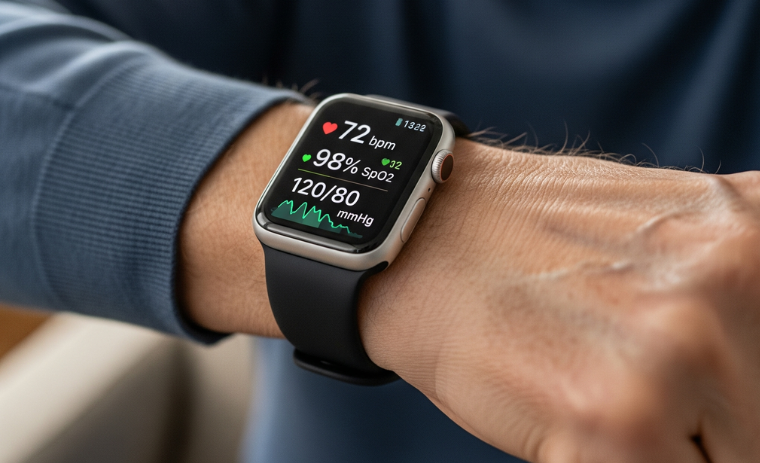
Wearables like smartwatches and fitness trackers are game-changers for health tracking. In 2025, devices such as the Apple Watch or Fitbit Versa monitor heart rate, blood oxygen, and activity levels, with fall detection notifying caregivers. They track vital signs continuously, aiding in early detection of issues like irregular heartbeats or sleep disturbances.
For elderly users, wearables with GPS prevent wandering in dementia cases, while smart gloves measure parameters like blood pressure. Evidence suggests they promote healthy aging by encouraging activity and providing data for personalized care plans. By 2030, half of seniors may rely on these for life-saving predictions.
Emerging Technologies: AI, Robotics, and Beyond
AI and robotics are emerging stars. AI analytics in home care personalize solutions, while robots assist with companionship or medication reminders. Digital communication tools combat isolation, and cybersecurity in senior living ensures data protection. These innovations bridge gaps in care, making home environments adaptive and responsive.
Benefits of Technology in Senior Home Care
The advantages of integrating technology are multifaceted. Primarily, it enhances safety: Smart devices reduce fall risks by 30-50% through proactive monitoring. Health outcomes improve with telehealth, offering convenience and reducing hospital visits saving time and costs.
Independence is bolstered; wearables and smart homes allow seniors to manage daily tasks autonomously, boosting mental health. Socially, video tools foster connections, combating loneliness. Economically, these technologies cut long-term care expenses by enabling early interventions. Overall, they empower seniors, easing caregiver burdens and promoting holistic well-being.
Challenges in Adopting Technology for Senior Home Care
Despite benefits, challenges persist. Cognitive and physical impairments hinder usability, with vision/hearing loss or mobility issues complicating interfaces. Technical barriers like unstable connectivity or battery life frustrate users.
Privacy and ethics concerns loom large, as data collection raises fears of breaches. Cost and digital literacy gaps linked to income, education, and health literacy limit adoption, particularly for low-income seniors. Interoperability issues and clinician readiness also pose hurdles. Addressing these requires tailored approaches to ensure equitable access.
Practical Tips for Implementing Technology in Senior Home Care
Successful implementation starts with assessment: Identify needs and capabilities, choosing user-friendly devices with large displays and simple interfaces. Begin small prioritize pressing issues like safety or health monitoring.
Provide training: Use hands-on sessions, starting with basics like video calls or smart speakers. Involve family for support, and leverage community resources for tech classes.
Ensure privacy: Opt for secure devices and discuss data usage openly. Integrate with care plans: Combine tech with professional services for comprehensive monitoring. Regularly evaluate and update systems to adapt to changing needs.
Encourage engagement: Highlight fun aspects, like connecting with loved ones, to build confidence. With patience and customization, technology can seamlessly enhance home care.
Technology in senior home care is not just a trend, it’s a vital enabler of dignified, independent living. From telehealth to wearables, these innovations offer profound benefits, though challenges like accessibility must be navigated thoughtfully. By following practical tips and staying informed on 2025 advancements, families and caregivers can create supportive environments. Ultimately, embracing tech empowers seniors to age gracefully at home, enriching lives for generations.